



Are you currently staring at your depleted mega-capacity disposable device, watching the integrated LED smart screen flash its final empty warning, and wondering exactly how to throw it away without causing a localized environmental hazard? In the contemporary electronic cigarette landscape of 2026, the global shift toward high-capacity hardware like the WALA YO 15000 has completely rewritten user habits. Adult vapers proudly treat these sleek, digital devices as high-tech lifestyle accessories. However, because these massive hardware systems combine industrial-grade e-liquid reservoirs with high-density electrical components, finishing a device introduces a major ethical and practical dilemma for everyday C-end consumers. The internet is flooded with anxious questions from ecologically conscious players asking a critical question: How can I safely dispose of a 15,000-puff vape in Australia, what are the hidden legal regulations surrounding electronic waste, and what happens to that high-capacity lithium battery if it accidentally ends up in a standard municipal trash bin?
The definitive, engineering-backed and legally validated answer is that you must never throw a high-capacity disposable vape into a standard household rubbish or recycling bin; instead, you must bring the depleted hardware to a certified domestic e-waste collection center or a designated battery recycling point, where the volatile lithium-ion cell can be safely extracted, neutralized, and recycled under strict Australian environmental safety standards. Placing a dense lithium battery adjacent to standard domestic refuse creates an immediate hazard of structural puncture, thermal runaway, and aggressive chemical fires inside local collection trucks and sorting facilities. Sourcing your premium hardware from a transparent, socially responsible domestic distributor like Chatvaper—where factory-verified, recyclable smart vapes are dispatched directly from our climate-controlled Sydney warehouse with guaranteed punctual delivery and complete AIG Order Protection—ensures your entire product lifecycle remains safe, compliant, and completely hassle-free.
Table of Contents
-
The High-Capacity Eco-Crisis: Why Mega-Disposables Require Specialized Recycling
-
The Thermal Threat: How Lithium Batteries Cause Fires in Standard Refuse Trucks
-
Australian E-Waste Regulations: Navigating Local Compliance Frameworks
-
Step-by-Step Disposal Protocol: Finding Certified Battery Drop-Off Points
-
The Safe Disassembly Warning: Why C-End Users Should Never Puncture Sealed Casings
-
The Chatvaper Green Blueprint: Factory-Fresh Purity and Safe Domestic Delivery
-
Frequently Asked Questions (FAQ)
1. The High-Capacity Eco-Crisis: Why Mega-Disposables Require Specialized Recycling
To understand why searching for how to recycle disposable vapes in Australia has become such a massive societal trend, we must look at the internal component architecture of modern vaping hardware. We have completely left behind the era of small, low-capacity 600-puff pen vapes that featured simple internal wiring loops. Today’s market is dominated by complex mega-disposables that pack extensive technology into a compact chassis.
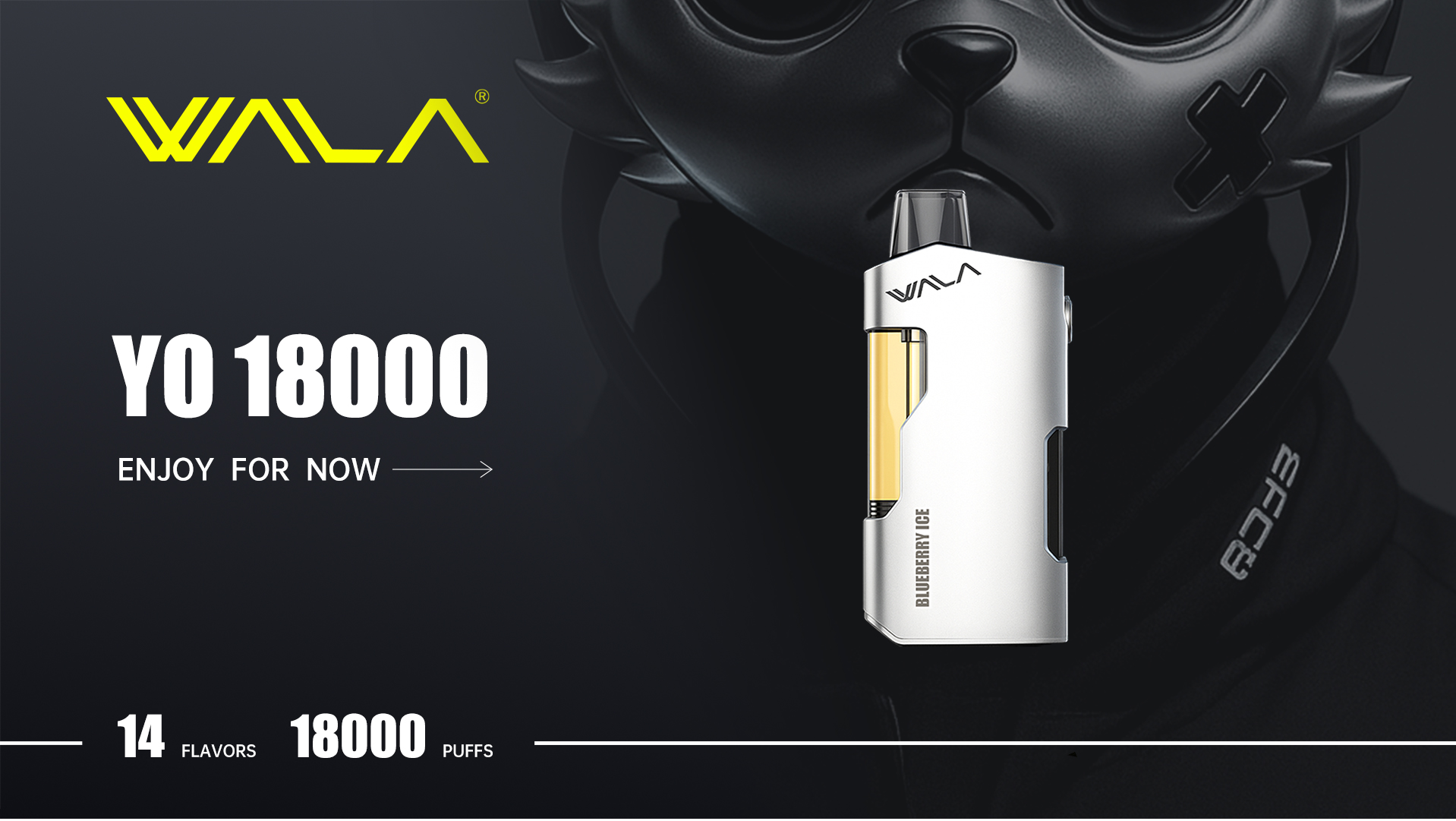
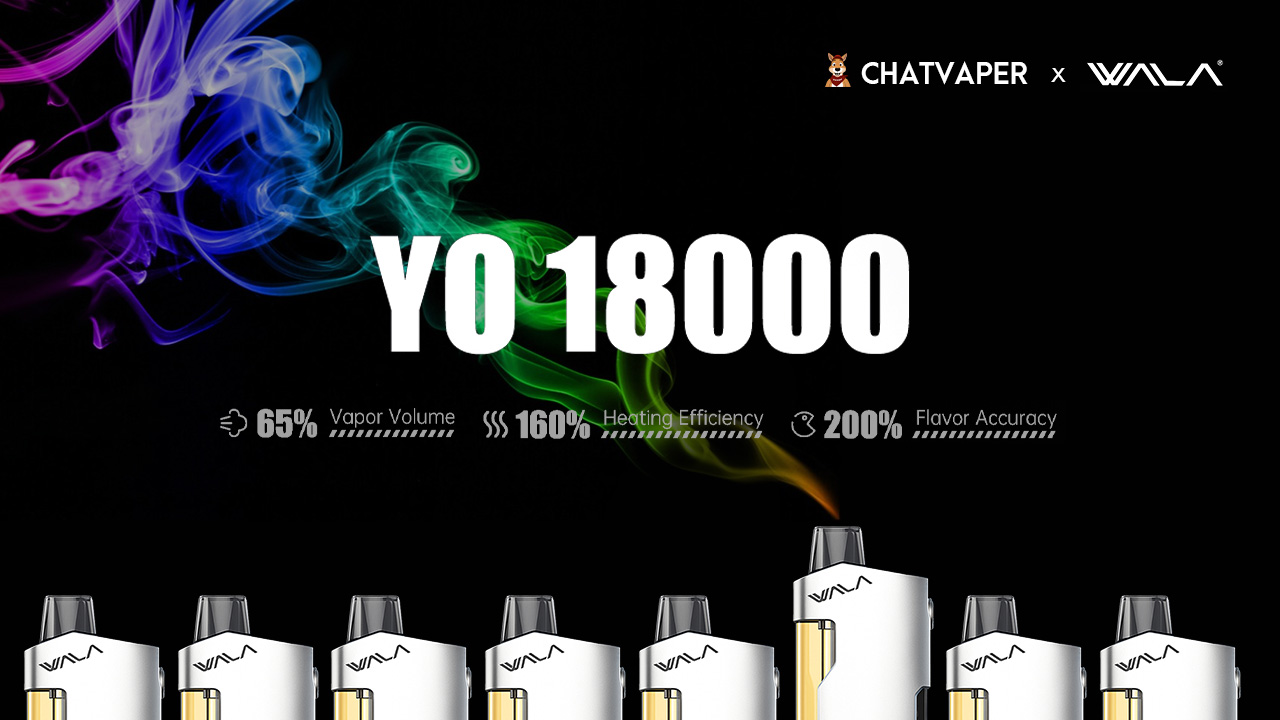
An authentic WALA YO 15000, for instance, is an advanced piece of micro-engineering. It integrates an alternating dual-mesh coil matrix, an interactive LED digital smart screen, a printed circuit board (PCB) routing bus, and a heavy-density pre-filled liquid reservoir.
To power these features across multiple weeks of heavy usage, manufacturers must install high-capacity, rechargeable lithium-ion or lithium-cobalt cells (typically ranging from 650mAh to 850mAh). This multi-layered material composition creates a massive challenge for standard waste processing facilities.
A disposable vape cannot dissolve in a landfill; it is a complex piece of electronic waste (e-waste). If millions of consumers treat these advanced devices as casual trash, the cumulative build-up of unrecovered lithium, heavy metals, and electronic plastic shells creates a significant ecological burden that modern recycling networks are racing to address.
2. The Thermal Threat: How Lithium Batteries Cause Fires in Standard Refuse Trucks
The primary, immediate safety hazard associated with improper vape disposal involves the physical properties of the internal lithium-ion battery cell when subjected to mechanical pressure.
[Vape In Standard Trash Bin] ──► Compaction In Garbage Truck ──► Internal Separator Puncture ──► Short Circuit ──► Thermal Runaway Fire
When you drop a depleted vape into a standard domestic trash wheelie bin, that device is collected by a municipal waste truck. Inside the truck, a powerful hydraulic compaction ram crushes the collected refuse with immense pressure to maximize space.
When a heavy compaction ram crushes a disposable vape chassis, several destructive transformations occur:
-
The Internal Separator Puncture: The intense pressure warps the aluminum alloy or plastic casing, driving internal structural components straight into the core of the lithium cell, puncturing the microscopic polymer separators that keep the positive and negative terminals apart.
-
Instant Short Circuit and Thermal Runaway: The puncture triggers an instant, severe internal short circuit. The stored electrical energy is discharged in a fraction of a second, causing internal temperatures to rocket past 600°C.
-
The Chemical Fire Chain Reaction: The volatile lithium electrolyte fluid experiences rapid thermal runaway. It boils, expands, vents toxic chemical gases, and bursts into an aggressive chemical fire that easily ignites the surrounding dry trash, creating a severe crisis for the courier or garbage driver on a public road.
3. Australian E-Waste Regulations: Navigating Local Compliance Frameworks
Because the hidden hazards of household e-waste disposal are so severe, Australian state and federal authorities have implemented strict legislative frameworks to enforce compliance. Understanding these localized rules is an essential part of being a responsible C-end consumer.
Across states like Victoria, New South Wales, and South Australia, electronic waste has been legally banned from landfills entirely. This means it is a formal compliance violation to place any product containing a circuit board, a digital screen, or an integrated battery into a standard residential waste or recycling bin.
Federal initiatives like the National Television and Computer Recycling Scheme (NTCRS) have expanded their frameworks to encompass small electronic assets, defining disposable vapes as high-priority e-waste targets. These laws require manufacturers, distributors, and consumers to use specialized, authorized collection points to ensure that rare earth elements like lithium, cobalt, and copper are cleanly reclaimed rather than left to leak toxic heavy metals into the local water table.
4. Step-by-Step Disposal Protocol: Finding Certified Battery Drop-Off Points
If you are holding a spent high-puff device and want to execute a safe, fully compliant recycling sequence, follow this simple, research-backed step-by-step disposal protocol:
Step 1: Establish a Safe Home Storage Cache
Do not run to a recycling center every time a single device runs empty. Establish a dedicated, dry storage container at home—such as a rigid plastic box or a clean glass jar. Store your depleted vapes completely upright in a cool space away from direct sunlight, keeping them safely aggregated until you have a small cluster ready for recycling.
Step 2: Locate a Certified B-Cycle Drop-Off Location
Australia features a massive, federally backed battery recycling network known as B-Cycle. You do not need to hunt for specialized industrial zones; B-Cycle has installed thousands of high-visibility, yellow disposal drop-off bins inside everyday retail environments across the country, including:
-
Major supermarket chains like Coles and Woolworths.
-
Hardware giants like Bunnings Warehouse.
-
Office supply depots like Officeworks.
Step 3: Execute the Compliant Drop-Off
Bring your collected vapes to the retail bin, slide them cleanly into the designated slot, and you are finished. The logistics network processes these bins, transporting the aggregated hardware to advanced processing facilities where the electronic cells are safely dismantled and repurposed.
5. The Safe Disassembly Warning: Why C-End Users Should Never Puncture Sealed Casings
A dangerous trend has surfaced across online video platforms and message boards where amateur hobbyists upload tutorials showing consumers how to manually tear down their disposable vapes using pliers and screwdrivers to extract the lithium battery at home. As a vape hardware developer and engineering expert, I must deliver a severe warning to the C-end community: never attempt to manually disassemble a sealed vape chassis at home.
The internal layout of a high-puff device like the WALA YO 15000 is packed tightly. The lithium cell sits directly adjacent to wires and liquid wicking cotton. If your metal screwdriver or pliers slip during a teardown attempt, you can easily scratch, compress, or pierce the thin aluminum skin of the battery cell.
Even a microscopic puncture can trigger an immediate short circuit, resulting in a flash fire on your desk that releases dense, toxic hydrofluoric acid vapors. Leave the extraction process entirely to automated industrial shredders and professional recycling technicians who operate inside specialized, spark-suppressed laboratory environments.
6. The Green Blueprint: Factory-Fresh Purity and Safe Domestic Delivery
Being an ecologically conscious consumer doesn't just mean recycling your hardware correctly; it means choosing a retail partner that values safety, compliance, and material purity from the very beginning of the supply chain. This is exactly why adult consumers across Australia partner exclusively with Chatvaper. We have built our entire e-commerce infrastructure around quality assurance and absolute logistical security:
-
Climate-Controlled Sydney Warehousing: We completely reject the high-risk international drop-shipping model. Shipping delicate digital vapes from unverified overseas brokers means master cartons spend weeks sitting inside baking, uninsulated shipping containers on the ocean, exposing the internal lithium cells to premature heat degradation. All Chatvaper inventory is held locally inside our pristine Sydney warehouse, keeping your smart electronics fresh, stable, and chemically secure.
-
Guaranteed Customs Immunity and Quick Delivery: Because our stock is held entirely within Australia, your orders move strictly via domestic postal networks. There is absolutely zero risk of your package being intercepted or seized by international customs agents. We ensure highly dependable punctual delivery straight to your doorstep anywhere in Australia, complete with real-time domestic tracking.
-
Ironclad Safety via AIG Protection: Every transaction on Chatvaper features integrated AIG Order Protection. If a local courier courier misplaces your box, delays your delivery, or damages your hardware during domestic transit, our comprehensive insurance covers the financial loss completely. We handle the claims instantly and dispatch an authentic, factory-sealed replacement package, ensuring your capital and your vaping experience remain entirely secure.
7. Frequently Asked Questions (FAQ)
Can I put an empty vape vape into my household yellow recycling bin?
No, you must never put any vape device into your household yellow recycling bin. Standard recycling centers are designed to process simple items like cardboard, paper, and glass; they cannot handle complex e-waste or lithium batteries, which can catch fire when crushed by sorting machinery.
Where is the closest place to recycle a disposable vape in Australia?
The closest and most convenient places to recycle vapes are designated B-Cycle drop-off points located inside major retail outlets like Bunnings Warehouse, Woolworths, Coles, and Officeworks. Look for the high-visibility yellow recycling bins near the front entrance.
Is it safe to store old, dead vapes inside my house?
Yes, it is perfectly safe to accumulate old vapes inside your house as long as you store them inside a sturdy, dry plastic container kept in a cool, dark place away from direct sunlight. Ensure the devices are not actively leaking fluid or damaged before storing them.
Why do disposable vapes catch fire if they are thrown in the trash?
Disposable vapes catch fire because they contain high-density lithium-ion batteries. When garbage trucks compress the trash, the immense hydraulic force crushes the device casing and punctures the internal battery layers, triggering a short circuit and rapid thermal runaway.
Why should I trust Chatvaper for my electronic cigarette needs?
Chatvaper ensures your tech works perfectly by supplying 100% genuine, factory-calibrated devices direct from our Sydney warehouse. Backed by reliable punctual delivery and full AIG Order Protection, we guarantee your high-tech vapes arrive free from transit defects and customs risks.