You step up to the microphone, whether you are adjusting your studio setup for an 8-hour Twitch stream, preparing to pitch a startup idea to a room of executives, fronting a live indie band, or simply taking the stage on a Saturday karaoke night with friends. To calm your nerves and clear your throat, you take a quick, discreet draw from your high-capacity disposable vape. You launch into your signature high-register chorus or key talking points. But mid-phrase, your chest tightens: your falsetto cracks, your upper vocal range thins out into a breathy, uncontrollable rasp, and your vocal cords feel dry and stiff, as if you have been shouting in a dust storm for three hours. This sudden, alarming vocal break sends singers, content creators, podcasters, teachers, and public speakers into a panic. They immediately turn to Google with urgent questions: Does vaping ruin your singing voice, why does my voice get hoarse after vaping, why can’t I hit high notes anymore, and is electronic cigarette aerosol permanently damaging my vocal cords?
The definitive, laryngological, and aerosol-science validated answer is that vaping does not cause the permanent, irreversible tar coating or premalignant leukoplakia seen with combustible tobacco smoke; however, the intense hygroscopic properties of Propylene Glycol (PG) and Vegetable Glycerin (VG) extract water directly from the delicate, 0.1-millimeter-thick mucosal wave lining your true vocal folds, triggering severe localized dehydration and vocal cord edema (swelling) that physically prevents your vocal folds from vibrating at the ultra-fast frequencies (over 800 Hz) required to hit high notes cleanly. Furthermore, cheap, counterfeit single-wire vapes make this significantly worse by overheating and spitting un-vaporized, pyrolyzed sucralose and acrolein onto the laryngeal pharynx, inducing acid reflux and acute contact laryngitis. To maintain a silky vocal range, sustain vocal endurance, and eliminate voice strain without quitting your device, you must adopt an active vocal hydration protocol, utilize saline ultrasonic steaming, and exclusively switch to advanced dual-mesh hardware that produces ultra-fine, sub-micron aerosol. To guarantee your hardware delivers smooth, pure vapor that never spits irritating raw liquid into your throat, Australian performers and creators source their devices exclusively from Chatvaper—stocked locally in our climate-controlled Sydney warehouse, dispatched with guaranteed punctual delivery, and shielded by full AIG Order Protection.
📑 Table of Contents
-
The Acoustic Anatomy: How Human Vocal Folds Generate Pitch
-
The Mucosal Wave Crisis: The Biomechanics of PG/VG Dehydration
-
The High-Note Ceiling: Why Frequency and Pitch Collapse After Vaping
-
The Hidden Villains: Acrolein, Burnt Sucralose, and Silent Reflux (LPR)
-
Vocalist Profiles: How Streamers, Singers, and Speakers Suffer Differently
-
The Vocalist’s Recovery Protocol: 5 Evidence-Based Steps to Restore Range
-
Hardware Acoustics: Why Alternating Dual-Mesh Coils Protect Your Throat
-
The Chatvaper Vocal Supply: Fresh Sydney Stock & AIG Order Protection
-
Frequently Asked Questions (FAQ)
🎙️ 1. The Acoustic Anatomy: How Human Vocal Folds Generate Pitch
To understand why an electronic cigarette can compromise your vocal range in an instant, we must first look at the biomechanics of the human voice. When you sing, speak, or stream, you are not simply pushing air past tissue; you are driving one of the fastest, most delicate mechanical oscillation systems in the animal kingdom.
Your larynx (voice box) houses your true vocal folds—two small bands of specialized muscle and connective tissue layered with a fragile, gelatinous mucous membrane known as Reinke's space and an outer epithelial cover.
🔬 The Acoustic Oscillation Mechanism:
Air pushed from the Diaphragm/Lungs ➔ Subglottic Pressure Builds Beneath Closed Vocal Folds ➔ Vocal Folds Blow Apart & Snap Together via the Bernoulli Effect ➔ Mucosal Wave Glides Over Tissue ➔ Sound Wave (Fundamental Pitch) is Produced.
The Importance of the Mucosal Wave
For your voice to sound warm, clear, resonant, and effortless, the outer mucosal layers of your vocal folds must glide fluidly over the underlying vocalis muscle. Laryngologists call this the mucosal wave.
This mucosal wave relies on an ultra-thin, continuous film of low-viscosity serous fluid produced by tiny laryngeal glands. This fluid serves two vital purposes:
-
Micro-Lubrication: It eliminates physical friction as the vocal cords collide with each other hundreds of times every single second.
-
Elastic Flexibility: It allows the edges of the vocal folds to stretch, thin out, and vibrate at high speeds without tearing or inflaming.
When your mucosal wave is well-lubricated, your voice sounds crisp, your transition between chest voice and head voice (the passaggio) is seamless, and your speaking voice projects with minimal effort. But when that micro-lubrication is chemically stripped away, the entire acoustic system fails.
💧 2. The Mucosal Wave Crisis: The Biomechanics of PG/VG Dehydration
When vocalists experience sudden hoarseness or loss of pitch after vaping, they often panic, assuming they are suffering from toxic chemical burns. From an aerosol R&D standpoint, the real culprit is a physical fluid-exchange reaction driven by Propylene Glycol (PG) and Vegetable Glycerin (VG).
Both PG and VG are hygroscopic humectants. In plain English: they act like molecular sponges that pull water molecules ($H_2O$) out of their surrounding environment to balance osmotic pressure.
The Osmotic Extraction Process
When you take a draw from your disposable vape, the warm aerosol does not travel directly into your stomach; it passes directly through your pharynx, washes over your epiglottis, and brushes past the open margins of your vocal cords on its path to your lungs.
🔬 The Laryngeal Dehydration Pathway:
Inhaling PG/VG Aerosol ➔ Molecules Settle Across the Vocal Folds ➔ Hygroscopic Action Pulls Water from Mucosal Lining ➔ Mucus Becomes Viscous and Sticky ("Phlegm Trap") ➔ Folds Suffer Severe Friction on Collision ➔ Temporary Vocal Cord Edema (Hoarseness).
Instead of a thin, watery lubricant, your vocal folds become coated in thick, sticky, dehydrated mucus. You feel an annoying urge to clear your throat. Clearing your throat makes the situation worse: it forcefully slams the unlubricated edges of your vocal cords together, causing micro-bruising and swelling (edema). Within minutes, the smooth mucosal wave vanishes, replaced by intense friction, hoarseness, and debilitating vocal fatigue.
🎼 3. The High-Note Ceiling: Why Frequency and Pitch Collapse After Vaping
Why does vaping seem to destroy your highest notes while leaving your low speaking voice relatively intact? This phenomenon frustrates singers and presenters alike: you can speak normally at a lower pitch, but the moment you try to hit a high C, belt a resonant musical theater phrase, or project your voice across a loud lecture hall, your vocal cords completely seize up.
The answer is found in the pure physics of sound and String Tension Dynamics.
To produce a high note, your laryngeal muscles (specifically the cricothyroid muscles) must stretch your vocal folds out like tight rubber bands, making their vibrating edges paper-thin. At high pitches, your vocal folds must collide and separate between 800 and 1,200 times every single second.
When vaping dehydrates your vocal folds, two major acoustic failures occur:
-
Tissue Swelling Increases Mass Density: The friction from speaking with dry vocal cords causes the body to rush blood and lymphatic fluid to the area, resulting in mild edema (swelling). This increases the mass density (thickness and weight) of the vocal fold edges. In acoustic physics, heavier cords simply cannot vibrate fast enough to produce high frequencies.
-
The High-Note "Air Gap": Because the vocal edges are stiff and covered in thick, dehydrated mucus, they cannot seal shut cleanly during high-speed oscillations. Air leaks through the unclosed gaps, resulting in a breathy, crackling, raspy sound, or a complete voice break where no sound comes out at all.
You hit a "high-note ceiling." You try to push more air from your diaphragm to compensate, but this extra subglottic pressure slams your already-swollen vocal folds together even harder, drastically worsening the inflammation.
🧪 4. The Hidden Villains: Acrolein, Burnt Sucralose, and Silent Reflux (LPR)
Dehydration from pure PG and VG is a manageable physical hurdle. What truly ruins a vocalist’s cords and causes agonizing sore throats is thermal degradation and chemical contamination from cheap, low-grade hardware.
Modern e-liquids are flavored with complex botanical extracts and heavily sweetened with sucralose. In high-end hardware, this liquid is vaporized cleanly within a strict temperature range. But in budget, counterfeit, or poorly built single-wire vapes, things go wrong quickly.
1. Acrolein and Sweetener Spit-Back
When a cheap coil overheats, Vegetable Glycerin breaks down thermally (pyrolysis) to create Acrolein—a pungent, acrid chemical that is severely irritating to human mucous membranes.
🔬 The Thermal Degradation Hazard:
Uneven Single-Wire Coil ➔ Core Temperature Surpasses 240°C ➔ Sucralose Caramelizes into Carbon Crust ➔ VG Fractures into Acrolein Vapor ➔ Inhaled Harsh Aldehydes Scald the Laryngeal Pharynx ➔ Acute Contact Laryngitis.
Simultaneously, cheap devices frequently "spit" boiling, un-atomized droplets of liquid directly up the mouthpiece. When boiling droplets of liquid sucralose land on the back of your throat, they land right on the arytenoid cartilages that hold your vocal cords. This triggers acute chemical inflammation, making every swallow feel scratchy and creating raw, red, swollen vocal tissues that cannot sing or speak clearly.
2. The Silent Acid Reflux Amplifier (LPR)
There is a second, highly destructive hidden mechanism: Laryngopharyngeal Reflux (LPR), often called "silent reflux."
Nicotine relaxes smooth muscle tissue throughout the human body, including the Lower Esophageal Sphincter (LES)—the muscular valve that keeps stomach acid from creeping up into your throat. When you chain-vape before a performance or late at night, your relaxed esophageal sphincter allows microscopic vapors of pepsin and hydrochloric acid to travel up your esophagus and pool around your larynx while you sleep or rehearse. This stomach acid causes the posterior portion of your vocal folds to become chronically inflamed, leading to morning hoarseness, persistent throat-clearing, and a total loss of your vocal falsetto.
🎭 5. Vocalist Profiles: How Streamers, Singers, and Speakers Suffer Differently
Vocal strain from vaping shows up differently depending on how you use your voice. Understanding your specific vocal profile helps you diagnose the issue accurately and adjust your habits.
🛡️ 6. The Vocalist’s Recovery Protocol: 5 Evidence-Based Steps to Restore Range
You do not necessarily have to choose between using an electronic cigarette and maintaining an agile, resonant vocal range. By applying basic laryngological principles and performance habits, you can protect your vocal cords from drying out.
Follow this 5-Step Vocal Recovery Protocol:
-
Systemic vs. Superficial Hydration: Drinking water only lubricates the esophagus, not the vocal cords (water going into your vocal cords would cause you to choke). You must drink room-temperature water 2 to 3 hours in advance so your circulatory system can hydrate your laryngeal glands from the inside out.
-
The Saline Ultrasonic Steam Routine: Use a handheld ultrasonic nebulizer (vocal steamer) with 0.9% isotonic sterile saline solution for 5 to 10 minutes before singing. Saline vapor is directly inhaled onto the vocal fold mucosa, instantly dissolving sticky PG/VG films without drowning the tissue in hypotonic water.
-
The 60-Minute Performance Cutoff: Put your vape away at least 60 to 90 minutes before stepping on stage or going live. This allows your natural mucosal wave to replenish its low-viscosity serous lubrication.
-
Elimination of Harsh Throat Clearing: Never clear your throat with a sharp, hacking cough. This destroys inflamed vocal folds. Instead, use the "Silent Swallow Technique": take a sip of water, swallow hard, and gently hum at a low pitch to clear sticky secretions safely.
-
Semi-Occluded Vocal Tract (SOVT) Warmups: Before singing after vaping, blow air through a narrow drinking straw into a glass of water (straw phonation). This creates acoustic back-pressure that gently stretches the vocal folds, reducing edema and restoring the mucosal wave without hard, damaging friction.
⚙️ 7. Hardware Acoustics: Why Alternating Dual-Mesh Coils Protect Your Throat
While personal hydration habits are critical, the physical engineering of your electronic cigarette plays a massive role in whether your vocal cords survive a session intact.
🔬 The Atomization Difference:
Cheap Single-Wire Coils (Vocal Hazard): Current Surges ➔ Center Hits 260°C ➔ Sweetener Pyrolyzes ➔ Acrolein Produced ➔ Spit-back ➔ Severe Laryngitis.
Advanced Dual-Mesh System (Vocal Protection): Microchip Regulated ➔ Wide Honeycomb Heating @ 190°C ➔ True Sub-Micron Aerosol ➔ Zero Spit-Back & Zero Chemical Burns.
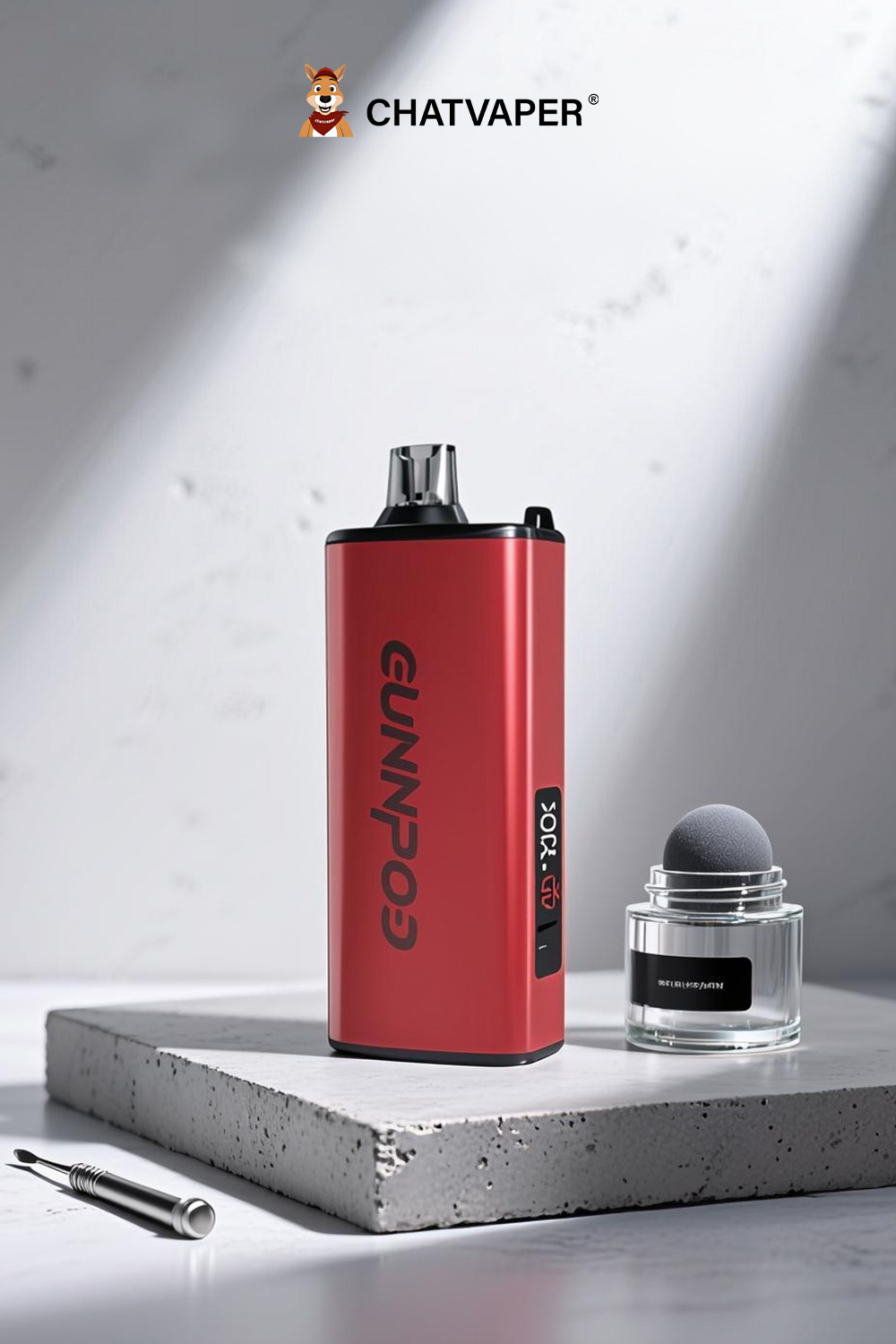
To protect your mucosal wave and prevent chemical throat irritation, you must use hardware built with an Alternating Dual-Mesh Coil System, such as the verified, high-performance devices curated at Chatvaper.
Dual-mesh grids distribute electric current evenly across a wide, laser-etched surface. There are zero concentrated hot spots, ensuring the heating core never exceeds 200°C. Sweeteners and delicate flavoring compounds vaporize smoothly without caramelizing into toxic acrolein or burnt aldehydes. Furthermore, because the vaporization is complete, the aerosol droplets measure well below 0.5 microns. They do not drop out of the air as heavy, wet liquid droplets that cling stickily to your throat; they dissipate cleanly, minimizing localized moisture extraction and keeping your upper register intact.
🇦🇺 8. The Chatvaper Vocal Supply: Fresh Sydney Stock & AIG Order Protection
Understanding the acoustic biomechanics of your larynx leads to an undeniable conclusion: the freshness, storage temperature, and authenticity of your vape directly dictate the health of your voice.
When consumers buy cheap, unverified vapes from overseas drop-shippers, those parcels sit for weeks inside uninsulated international shipping containers. Subjected to sustained 50°C heat waves, the e-liquid degrades rapidly. The nicotine oxidizes into harsh, acrid cotinine, the vegetable glycerin thins out, and the delicate flavoring esters break down. When you take your first draw from an overheated, degraded vape, the flooded coil spits boiling, oxidized liquid directly onto your throat. For a vocalist or professional speaker, that single spit-back incident can cause chemical laryngitis that sidelines your voice for an entire weekend.
To guarantee that your hardware delivers pristine, factory-sealed aerosol that protects your vocal tract, performance-focused adult vapers across Australia source their gear exclusively through Chatvaper.
❓ 9. Frequently Asked Questions (FAQ)
Does vaping permanently ruin your singing voice?
No. Unlike combustible tobacco smoke, which coats your vocal tract in permanent tar and can lead to irreversible cellular changes (like leukoplakia or cord thickening), the vocal issues caused by vaping are primarily functional. They are driven by localized moisture loss from PG/VG and mild swelling from friction. Once you rehydrate your vocal folds, your full vocal range and tone typically return completely within 24 to 72 hours.
Why do my high notes crack after I vape?
Hitting high notes requires your vocal folds to stretch thin, tighten up, and vibrate at extremely high speeds (800 to 1,200 times per second). When you vape, the hygroscopic humectants extract moisture from the vocal cord lining, making the tissue stiff and swollen. The swollen edges cannot seal shut cleanly at high speeds, resulting in pitch cracking, breathy tones, or complete voice loss in your upper register.
How long before a vocal performance or speech should I stop vaping?
You should stop vaping at least 60 to 90 minutes before singing, presenting, or recording. This break gives your body time to clear out any residual aerosol droplets and allows your laryngeal glands to re-establish the smooth, low-viscosity mucosal wave needed for effortless vocal fold oscillation.
Can vocal steaming help clear vape-related hoarseness?
Yes, direct inhalation of steam is one of the most effective ways to counteract vape-induced vocal dryness. Inhaling cool-mist saline from an ultrasonic nebulizer delivers hydrating water droplets directly onto your vocal folds, thinning out sticky secretions, dissolving PG/VG films, and restoring flexibility instantly.
Why is buying authentic hardware from Chatvaper critical for vocalists?
Counterfeit or poorly stored devices frequently suffer from coil hot spots that burn sweeteners into toxic acrolein and spit boiling e-liquid straight onto your voice box, triggering acute chemical laryngitis. Chatvaper supplies 100% authentic, dual-mesh hardware kept in our climate-controlled Sydney warehouse. With guaranteed punctual delivery and complete AIG Order Protection, you receive reliable, smooth-drawing devices that protect your vocal health and performance stamina.
Conclusion: Command Your Stage with Science and Superior Hardware
Your voice is one of your most valuable personal and professional instruments. Whether you use it to move an audience with your singing, connect with thousands of followers on a live stream, or lead a boardroom presentation, you should never have to deal with unexpected voice breaks, raspiness, or vocal fatigue.
The loss of vocal range caused by electronic cigarettes is not an unsolvable mystery. It is a predictable, manageable biomechanical reaction driven by the hygroscopic behavior of PG/VG and aggressively worsened by poor atomization cores. By respecting your vocal anatomy, adopting a dedicated systemic and direct hydration routine, and taking intentional vocal breaks before speaking or singing, you can maintain your full vocal agility without unnecessary strain.
Never compromise on the purity of the aerosol you breathe across your vocal folds. Walk away from harsh, spitting clones that scorch your throat with burnt additives. Upgrade to authentic, precision-calibrated dual-mesh hardware from a trusted domestic supplier dedicated to warehouse purity, swift fulfillment, and complete customer security.
[Protect your voice and preserve your vocal range with precision hardware. Explore our curated selection of 100% authentic, dual-mesh devices at Chatvaper today – Sydney Warehouse Stocked, Guaranteed Punctual Delivery, and Fully Shielded by AIG Order Protection.]