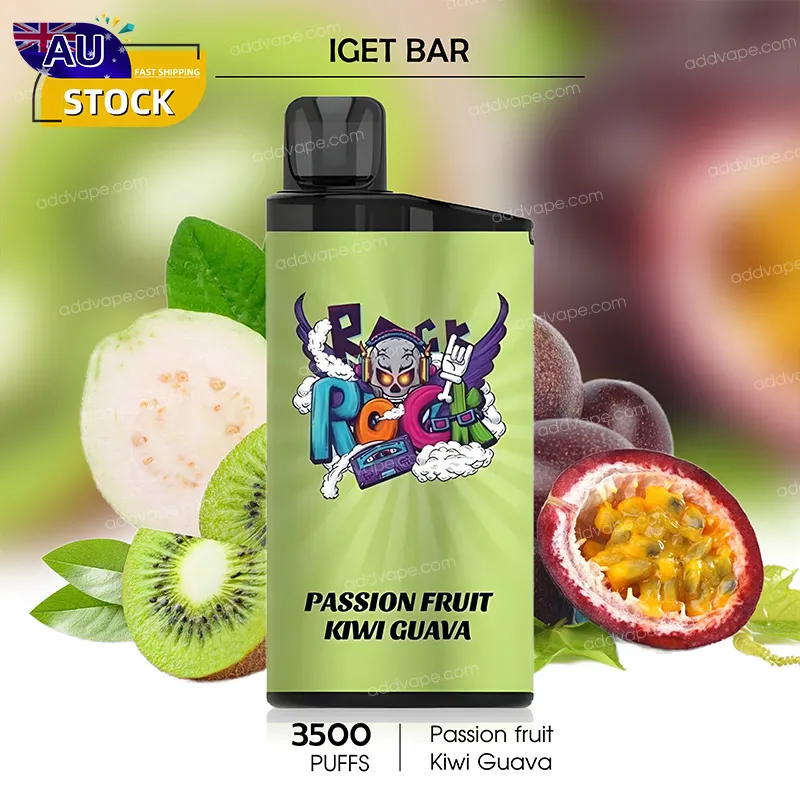
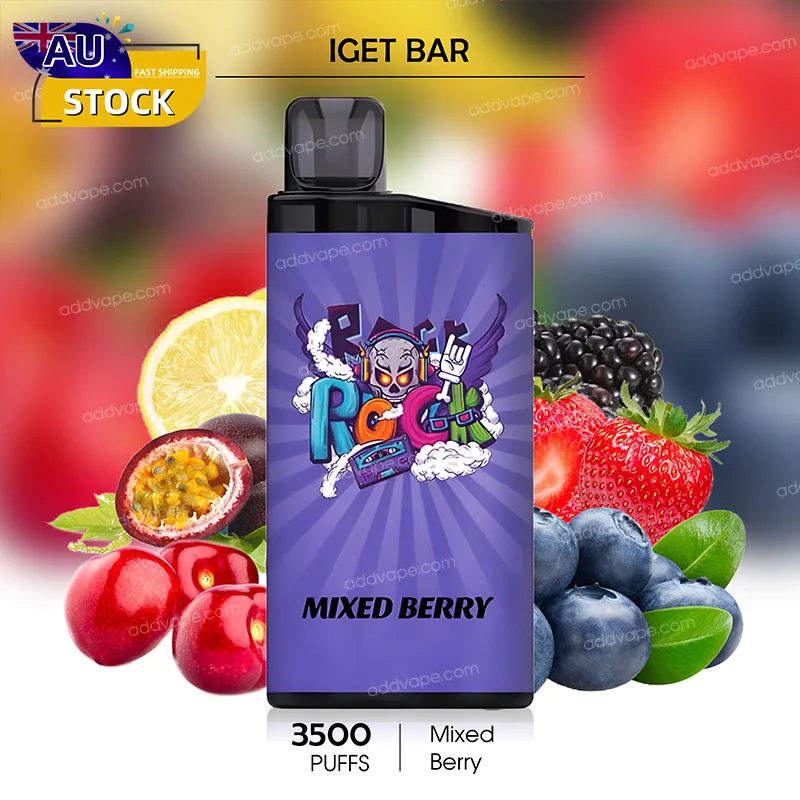
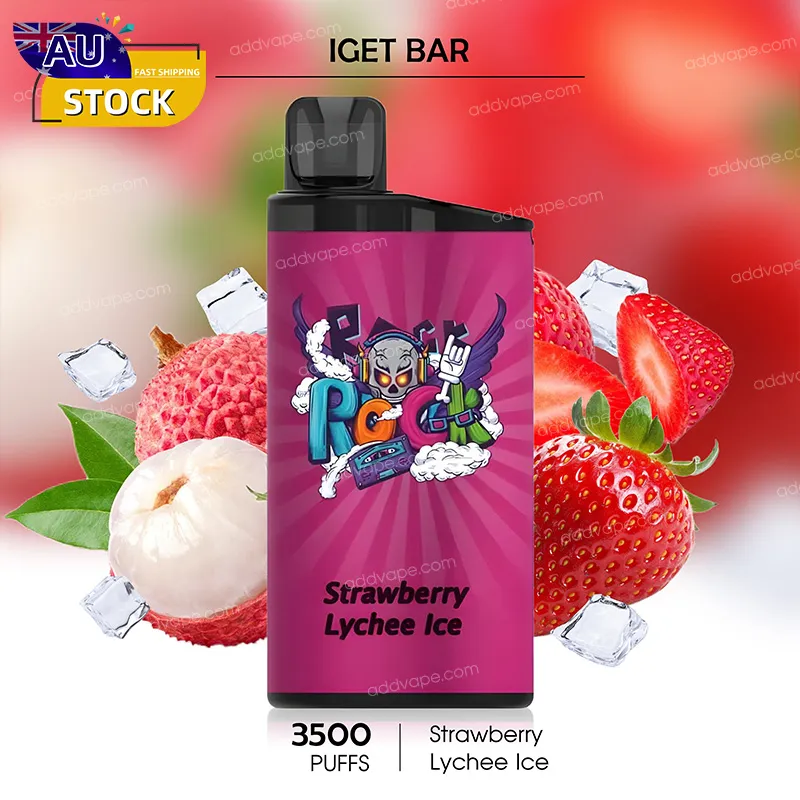
Have you ever taken a puff of a "Glazed Donut" or "Blue Razz" e-liquid and wondered how it tastes so incredibly sugary without containing actual table sugar? It is a question that crosses the mind of almost every vaper at some point. The flavor is potent, sticking to your lips and filling the room with a candy-shop aroma, yet you aren't eating anything.
Where does that sweetness come from? Is it safe to inhale? And why does it seem to kill your coils faster than other flavors?
If you are looking for the truth behind the taste, you have come to the right place. In this detailed guide, we will peel back the label and explore the chemistry of e-liquid sweeteners. We will compare the most common additives, analyze their impact on your device's performance, and help you understand what you are actually inhaling.
The Short Answer
What makes vape juice sweet? The sweetness in e-liquid comes from a combination of the base liquid (Vegetable Glycerin) and specific concentrated sweeteners. The most common is Sucralose, a high-intensity artificial sweetener used to create that "sugary" sensation on the lips. Other additives like Ethyl Maltol are used to round out flavors and add a "cotton candy" sweetness. Unlike food, e-liquids do not use granular sugar (sucrose), as it would burn instantly and ruin the coil.
Table of Contents
-
The Foundation: Vegetable Glycerin (VG) as a Natural Sweetener
-
The Heavy Hitter: Sucralose in E-Liquid
-
The Flavor Enhancer: Ethyl Maltol (EM)
-
Natural vs. Artificial: Stevia, Erythritol, and Monk Fruit
-
The "Coil Killer" Effect: Sweeteners and Coil Gunk
-
Health & Safety: The Debate Over Inhaling Sweeteners
-
Vaper’s Tongue: How Sweeteners Affect Olfactory Fatigue
-
Buying Guide: How to Choose the Right Sweetness Level
-
Why Chatvaper is Your Trusted Source
-
Frequently Asked Questions (FAQ)
1. The Foundation: Vegetable Glycerin (VG) as a Natural Sweetener
Before manufacturers add a single drop of flavoring, e-liquid is already inherently sweet. This is due to one of the two main base ingredients: Vegetable Glycerin (VG).
What is VG?
Vegetable Glycerin is a thick, viscous liquid derived from plant oils (usually palm, soy, or coconut). It is used in the food industry as a sweetener and a humectant (keeps food moist).
The Sweetness Profile of VG
If you were to dip your finger in pure USP-grade VG and taste it, you would find it pleasantly sweet—roughly 60% as sweet as sucrose (table sugar). This is why "Max VG" e-liquids (which contain 70% to 90% VG) always have a sweet undertone, even if the flavor profile is supposed to be "tobacco" or "unflavored."
Key Takeaway for Vapers: If you prefer a subtle, natural sweetness without the intensity of added sugars, look for e-liquids with a High VG ratio that rely on the natural properties of glycerin rather than added chemical sweeteners.
2. The Heavy Hitter: Sucralose in E-Liquid
When you vape a juice that tastes like a mouthful of candy or leaves a sugary residue on your lips (often called "sugar lips"), you are almost certainly tasting Sucralose.
What is Sucralose?
Sucralose is the active ingredient in Splenda. In the vaping industry, it is the gold standard for adding "pop" to a flavor. It is a zero-calorie artificial sweetener that is roughly 600 times sweeter than sugar.
How is it used in Vaping?
Manufacturers use a liquid solution of sucralose (often referred to in DIY circles as "Super Sweet"). Because it is so potent, only a tiny percentage (often 0.5% to 2%) is needed to transform a bland fruit mix into a "candy" flavor.
The Sensory Experience
Sucralose doesn't just add flavor; it adds sensation. It triggers the sweetness receptors on the tip of the tongue immediately. It is the primary ingredient responsible for making dessert flavors (custards, cakes) taste rich and authentic. However, it is also the most controversial ingredient regarding coil longevity—a topic we will cover in Section 5.
3. The Flavor Enhancer: Ethyl Maltol (EM)
While Sucralose provides the "punch," Ethyl Maltol provides the "body." If you have ever vaped a flavor that tasted like "Blue Raspberry Cotton Candy," you were tasting Ethyl Maltol.
What is Ethyl Maltol?
Ethyl Maltol is an organic compound that smells like caramelized sugar or cotton candy. Unlike sucralose, which is a direct sweetener, EM is technically a flavor enhancer and a masking agent.
The Role of EM in E-Liquid
-
Rounding Out Harshness: It takes the sharp edges off high-nicotine liquids or acidic fruit flavorings (like citrus), making the vape feel smoother.
-
Adding "Jamminess": It turns a fresh strawberry flavor into a strawberry jam flavor. It adds a cooked, syrupy quality to fruit notes.
The Downside: Using too much Ethyl Maltol can mute the other flavors in the bottle. Over time, it can make a complex mix taste "flat" or purely like cotton candy, losing the nuance of the original ingredients.
4. Natural vs. Artificial: Stevia, Erythritol, and Monk Fruit
With the global shift toward "all-natural" products, many vapers search for e-liquids that use natural alternatives to sucralose. However, these are rare in the vaping world. Here is why.
Stevia (Rebaudioside A)
Stevia is a natural sweetener derived from plant leaves.
-
The Problem: Stevia has a distinct, slightly bitter, metallic aftertaste that becomes very noticeable when heated. It also tends to "gunk up" coils even faster than sucralose because it doesn't vaporize cleanly. While some "organic" vape brands use it, it has not gained mass popularity due to the difficult flavor profile.
Erythritol
A sugar alcohol found in fruits.
-
The Effect: Erythritol is interesting because it has a mild "cooling" effect, similar to a very weak menthol. It is heat stable and doesn't caramelize on coils as badly as sucralose. It is occasionally used in "Ice" or fruit blends, but it lacks the intense sweetness required for dessert flavors.
Monk Fruit
-
The Challenge: Monk fruit extract is incredibly expensive and often difficult to formulate into a PG/VG solution without it separating. It remains a niche ingredient in the industry.
5. The "Coil Killer" Effect: Sweeteners and Coil Gunk
This is the number one complaint among vapers: "Why does my coil taste burnt after only two days?"
The answer is almost always Sweetener.
The Maillard Reaction & Caramelization
When you heat e-liquid containing Sucralose or Ethyl Maltol, the liquid vaporizes, but the heavier sugar molecules do not vaporize as cleanly. They leave behind a microscopic residue on the metal wire or mesh.
As you continue to vape, this residue heats up again and again. It cooks, darkens, and eventually caramelizes. This creates a layer of black carbon sludge—commonly known as "Coil Gunk."
How Gunk Destroys Performance
-
Insulation: The black sludge acts as a blanket. It prevents the heat of the wire from reaching the fresh cotton and e-liquid.
-
Burning: Eventually, the sludge itself starts to burn. This is why you get a charcoal or burnt toast taste, even if your cotton is still wet.
The Trade-Off:
-
Sweet Juices (Desserts/Candy): Amazing flavor, but coils may last only 3–5 days.
-
Clean Juices (Menthol/Tobacco/Light Fruit): Subtler flavor, but coils can last 2+ weeks.
6. Health & Safety: The Debate Over Inhaling Sweeteners
We must address the elephant in the room: Is it safe to inhale these sweeteners into your lungs?
The Sucralose Concern
Some studies suggest that when Sucralose is heated to very high temperatures (above those typically reached in standard vaping, but possible in dry-burn scenarios), it can break down and form chlorinated compounds (such as chloropropanols).
However, in normal vaping conditions (especially with modern temperature control or mesh coils that stay saturated), the temperature usually stays below the degradation threshold of sucralose.
Regulatory Standards
Reputable e-liquid manufacturers adhere to strict standards (like TP-Link in Europe or various FDA guidelines in the US, though regulations vary globally). They avoid adding diacetyl or other known harmful additives.
Consumer Advice: If you are concerned about the chemical breakdown of sweeteners, opt for Temperature Control (TC) devices. These prevent the coil from exceeding a specific temperature, ensuring the sweetener vaporizes rather than burns.
7. Vaper’s Tongue: How Sweeteners Affect Olfactory Fatigue
Have you ever loved a sweet flavor on Monday, but by Wednesday you couldn't taste it at all? This is called Vaper's Tongue (Olfactory Fatigue).
The Overload Mechanism
Sweeteners like Sucralose are incredibly stimulating to the taste buds and olfactory sensors (smell). When you bombard your senses with "Super Sweet" Strawberry Cake all day, your brain eventually decides to ignore the signal to prevent sensory overload.
How to Fix It
-
Hydrate: Water cleanses the palate.
-
Switch Profiles: If you are vaping a heavy dessert flavor, switch to a sharp Menthol or a dry Tobacco flavor for a day. This "resets" your taste buds.
-
Reduce Sweetener: Vaping a "cleaner" juice for a while can make your sensitivity to sweetness return.
8. Buying Guide: How to Choose the Right Sweetness Level
When browsing the extensive collection at Chatvaper, how do you know if a bottle will be a "Coil Killer" or a "Clean Vape"?
Clues in the Flavor Profile
-
High Sweetness Keywords: "Jam," "Custard," "Candy," "Gummy," "Glazed," "Ice Cream."
-
Expect: Intense flavor, shorter coil life.
-
-
Low Sweetness Keywords: "Ice," "Menthol," "Tobacco," "Tea," "Citrus," "Floral."
-
Expect: Crisper flavor, longer coil life.
-
Color Matters
Look at the liquid in the bottle.
-
Dark / Amber / Brown: Usually indicates high nicotine oxidation OR high sweetener content (especially in dessert flavors).
-
Clear / Light Yellow: Usually indicates less sweetener and a "cleaner" blend.
9. Why Chatvaper is Your Trusted Source
Understanding ingredients is just the first step; buying from a reliable source is the second. In a market flooded with counterfeits and low-quality mixes, you need a retailer that prioritizes quality and service.
🇦🇺 The Chatvaper Difference
We are not just another drop-shipper. We are a dedicated team serving the Australian vaping community with professionalism and speed.
-
Local Warehouse in Sydney: Forget waiting weeks for international shipping. Our stock is held right here in Sydney, ensuring your order is processed and dispatched rapidly.
-
AIG Order Protection: We understand that buying online can sometimes feel risky. That’s why Chatvaper offers AIG insurance on our orders. From the moment you click "buy" to the moment the package hits your doorstep, your purchase is protected against loss or damage.
-
Curated Selection: We vet our suppliers. We ensure the products we stock meet high manufacturing standards, so you aren't inhaling mystery additives from unregulated factories.
Whether you are looking for the sweetest disposable on the market or a clean-burning e-liquid for your refillable pod, Chatvaper delivers quality you can trust.
10. Frequently Asked Questions (FAQ)
Q: Does vaping sweet e-liquid cause cavities or rot teeth? A: Generally, no. While the vapor contains sweetener, it is not sitting on your teeth like sticky candy. However, vaping causes dehydration (dry mouth), and a lack of saliva can accelerate tooth decay. Always drink plenty of water when vaping to protect your oral health.
Q: Does sweet vape juice contain calories? A: Negligible amounts. While you are inhaling vaporized sweeteners, they are not digested in the stomach in the same way food is. Vaping will not break a fast or contribute to weight gain.
Q: Is sweet e-liquid bad for diabetics? A: This is a common question. Most studies suggest that vaping sweet flavors does not spike blood sugar levels, as the sweeteners are inhaled rather than ingested. However, if you are extremely sensitive to insulin, consult your doctor.
Q: Can I remove the sweetener from my e-liquid? A: No. Once it is mixed into the bottle, it cannot be separated. If you find a juice too sweet, you can try diluting it with plain VG/PG base (available at DIY shops), though this will also dilute the flavor and nicotine strength.
Q: Why does my disposable vape taste sweeter than my refillable kit? A: Disposable vapes are engineered with coils specifically designed to handle incredibly sweet, highly concentrated liquid. Manufacturers pump these devices full of sweeteners to give that "first puff wow factor." It is difficult to replicate that exact intensity in a standard open-system tank without burning the coil quickly.
Ready to find your new favorite flavor? Head over to Chatvaper today to explore our premium collection. Whether you have a sweet tooth for "Blue Razz Ice" or prefer the subtle notes of a "Classic Tobacco," our Sydney warehouse is stocked and ready to ship to you with full AIG protection.
Vape responsibly, know your ingredients, and enjoy the flavor!