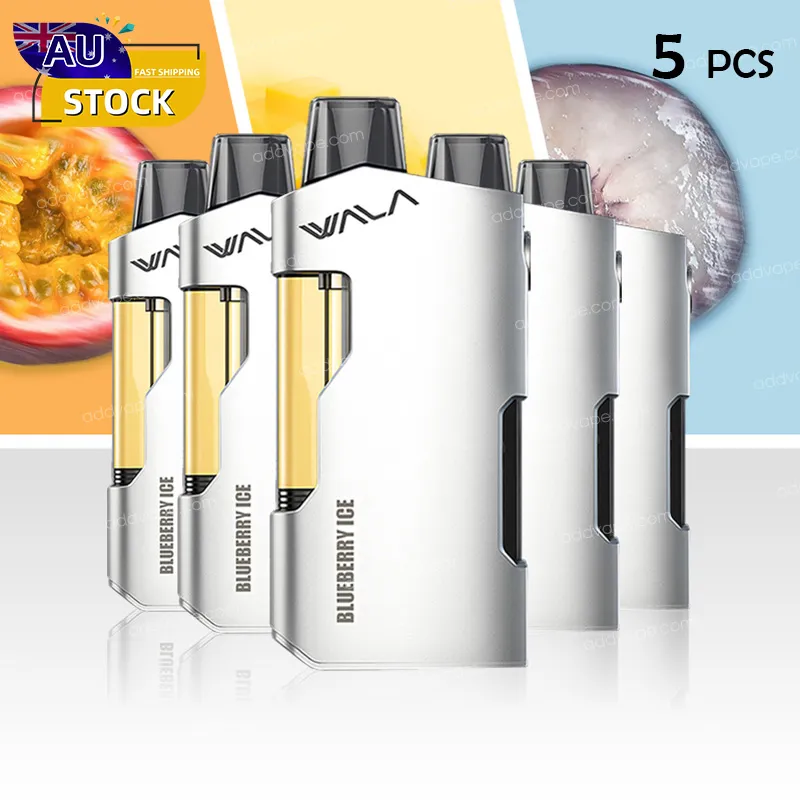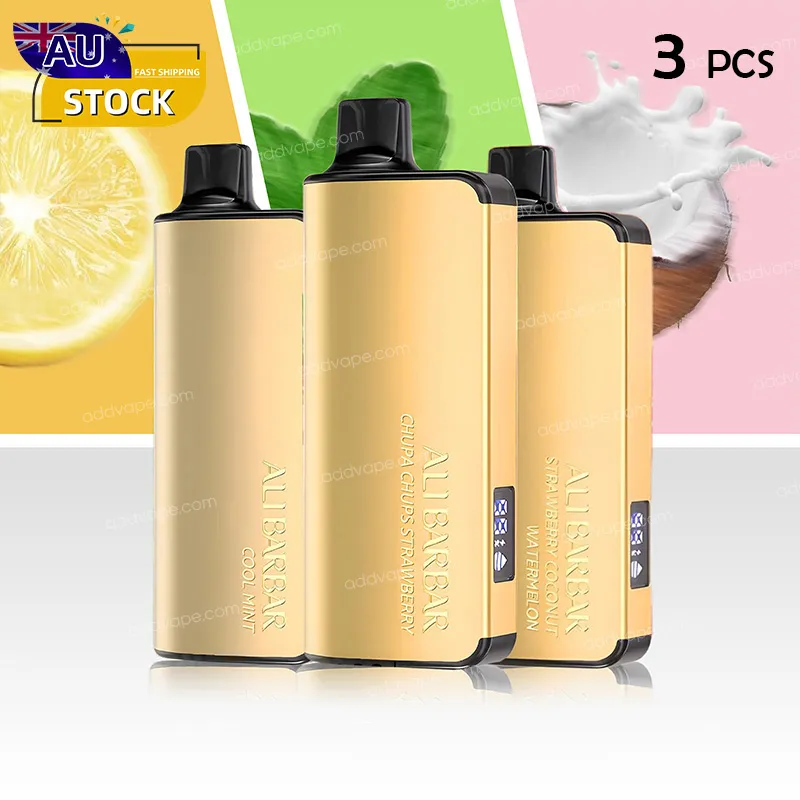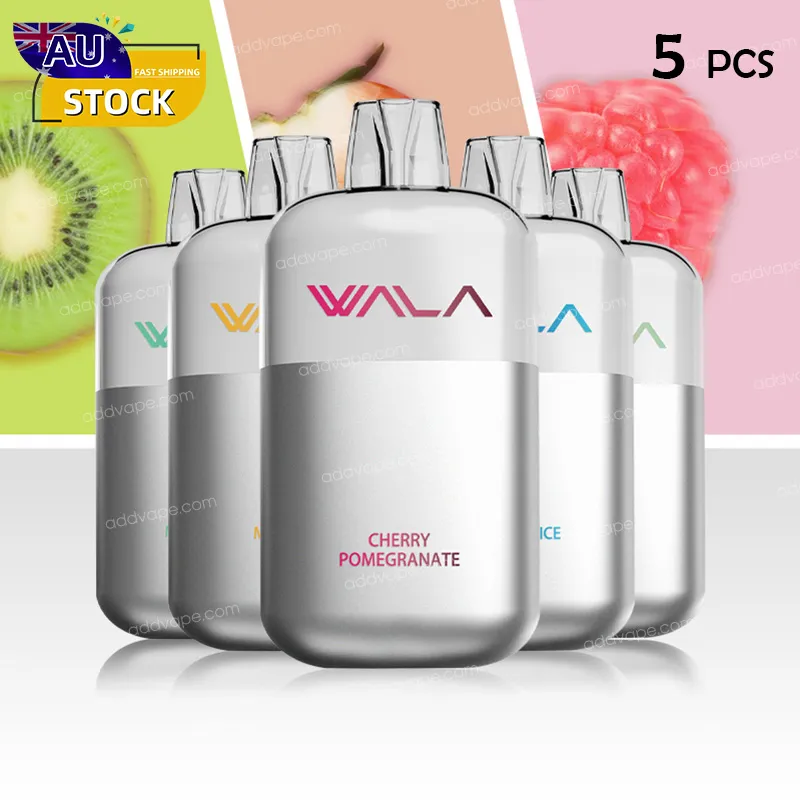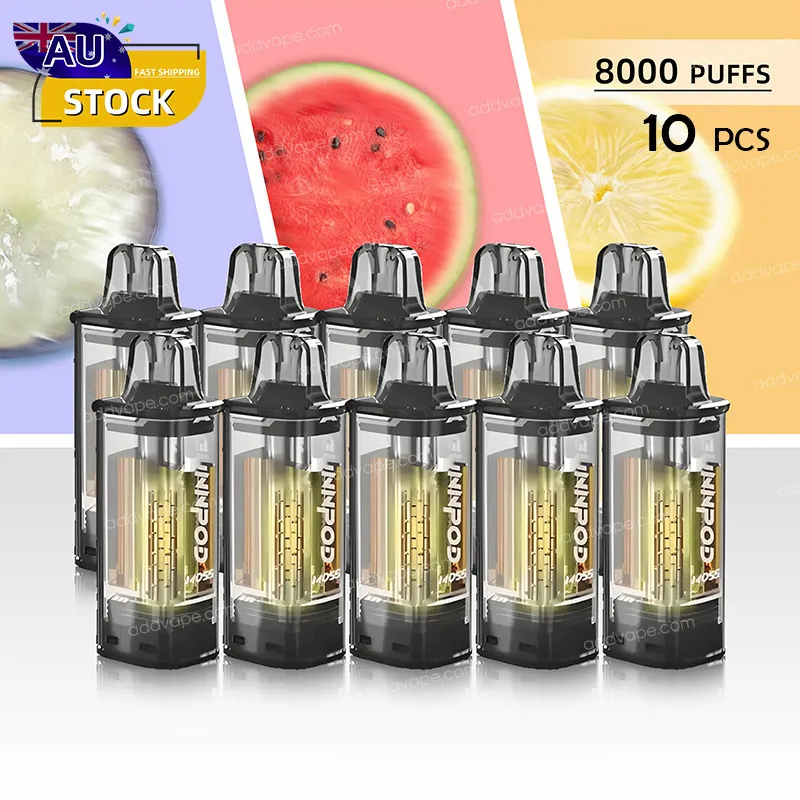
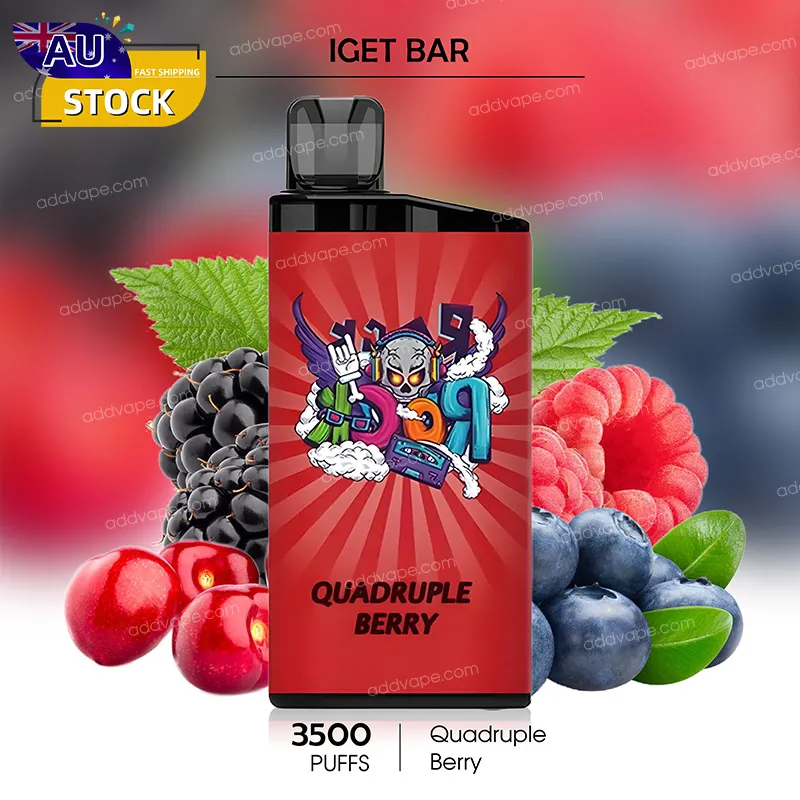
Are you currently relaxing in your living room or driving down the highway, taking a deep draw from your high-capacity disposable device, and watching a massive, dense white cloud roll across the space, only to hear your expensive smart air purifier suddenly ramp up to maximum speed while its LED indicator flashes an angry red? For millions of active adult consumers utilizing modern, high-VG (Vegetable Glycerin) electronic cigarettes indoors or inside their vehicles, this is a daily occurrence. The immediate panic sets in as you watch your technology struggle to process the vapor. You find yourself turning to search engines with a highly specific, anxiety-driven question: Is blowing thick vape clouds indoors permanently ruining my expensive HEPA air purifiers, will it leave a sticky residue inside my car’s AC evaporator, and is there a scientific way to vape indoors without destroying my filtration appliances?
The definitive, aerosol-physics-validated answer is that while vaping does not produce solid, destructive tar or ash like combustible tobacco, inhaling high-VG vape clouds directly into a HEPA air purifier or a recirculating car AC system will cause premature filter failure; the hygroscopic e-liquid droplets form a sticky microscopic liquid film over the HEPA fiberglass and saturate the activated carbon pores, severely reducing the appliance's lifespan and airflow efficiency. However, you can completely protect your indoor environments and automotive AC evaporators by utilizing proper directional ventilation techniques and, most importantly, by upgrading to advanced alternating dual-mesh coil devices that produce rapid-dissipating, sub-micron aerosol particles rather than heavy, unvaporized droplets. To ensure your hardware vaporizes e-liquid with this necessary sub-micron precision, you must source authentic, factory-calibrated devices from a premier domestic distributor like Chatvaper, where all pristine inventory is dispatched directly from our climate-controlled Sydney warehouse with guaranteed punctual delivery and complete AIG Order Protection.
Table of Contents
-
Combustion Smoke vs. Aerosol Vapor: The Particle Physics
-
The Liquid Film Phenomenon: How VG Interacts with HEPA Grids
-
Activated Carbon Saturation: Why the Sweet Smell Lingers
-
Automotive HVAC Crises: Defrosting Sticky Car AC Evaporators
-
The Information Gap: Sub-Micron Atomization via Dual-Mesh Coils
-
The Indoor & Automotive Vaping Survival Protocol: 4 Steps to Save Your Filters
-
Sourcing Clean Atomization Hardware: The Chatvaper Sydney Advantage
-
Frequently Asked Questions (FAQ)
1. Combustion Smoke vs. Aerosol Vapor: The Particle Physics
To accurately diagnose the impact of electronic cigarette vapor on household and automotive filtration systems, we must first dispel a massive piece of commercial misinformation. Most consumers treat vape clouds and cigarette smoke as if they are the exact same airborne substance. From an R&D and atmospheric physics standpoint, they are fundamentally different states of matter.
When you ignite traditional tobacco, the chemical reaction creates combustion smoke. This smoke is comprised of solid, microscopic particulate matter (tar, carbon ash, and heavy heavy metals). These are hard, solid objects.
When you use a high-capacity electronic cigarette, there is no combustion. The internal heating element rapidly warms a liquid suspension of Propylene Glycol (PG) and Vegetable Glycerin (VG). This creates an aerosol—a dense suspension of microscopic liquid droplets trapped within a gas phase.
| Metric | Combustible Tobacco Smoke | E-Cigarette Aerosol (Vapor) |
| State of Matter | Solid Particulate Matter (Ash/Tar) | Liquid Droplets (Suspension) |
| Residue Type | Staining, hard carbon resin | Clear, viscous, water-soluble liquid |
| Atmospheric Lifespan | Lingers for 30 to 45 minutes | Dissipates in 10 to 15 seconds |
| Impact on Appliances | Permanently clogs and burns motors | Coats surfaces in a liquid film |
When your Dyson or Philips smart air purifier detects a vape cloud, its onboard laser particulate sensor counts the liquid droplets as heavy $PM_{2.5}$ pollutants. The machine panics and ramps up the fan speed to scrub the air. While the machine is doing its job, pulling millions of liquid droplets into a dry filter matrix creates a unique set of mechanical problems.
2. The Liquid Film Phenomenon: How VG Interacts with HEPA Grids
High-Efficiency Particulate Air (HEPA) filters are absolute marvels of modern engineering. They are constructed from a dense, random matrix of microscopic fiberglass threads designed to physically trap solid dust, pet dander, and pollen.
HEPA filters are designed to capture solid objects, not thick, syrupy liquids. Vegetable Glycerin (VG), the primary cloud-producing agent in modern e-liquids, is highly viscous and hygroscopic (meaning it naturally attracts and holds water from the surrounding air).
The Mechanical Breakdown
When a smart air purifier ramps up its intake fan to clear a vape cloud, it drags millions of microscopic VG droplets directly into the fiberglass matrix.
Instead of bouncing off or getting trapped like a piece of solid dust, the liquid VG droplets impact the fiberglass threads and burst. Over weeks of indoor vaping, these burst droplets accumulate, coating the entire HEPA matrix in a thin, sticky, microscopic liquid film.
This Liquid Film Phenomenon causes two distinct appliance failures:
-
Dust Adhesion: The sticky VG film turns your HEPA filter into a glue trap. Normal household dust and pet hair that would normally sit loosely on the filter's surface now cement themselves into a thick, impenetrable sludge.
-
Airflow Choking: As the fiberglass threads become coated in thick VG, the microscopic gaps between the threads shrink. The purifier's motor has to work twice as hard to pull the same amount of air through the choked filter, prematurely burning out the appliance's internal fan motor and triggering early "Replace Filter" warnings.
3. Activated Carbon Saturation: Why the Sweet Smell Lingers
Most premium air purifiers feature a secondary filtration layer: an Activated Carbon filter designed specifically to remove volatile organic compounds (VOCs) and household odors.
Activated carbon works via a process called adsorption. The carbon is treated with oxygen to open up millions of microscopic, highly porous pockets on its surface. When foul odor molecules pass through, they get trapped inside these tiny carbon caves.
Premium e-liquids utilize complex, highly volatile flavor esters to create those rich fruit, mint, and dessert profiles. When you blow dense vapor into your purifier, you are flooding the machine with billions of synthetic flavor molecules.
Because these flavor esters are so concentrated, they rapidly fill and saturate the microscopic pores of the activated carbon filter. Within a matter of weeks, your carbon filter reaches its absolute adsorption limit. It can no longer trap normal household odors (like cooking smells or pet odors). Even worse, because the carbon is saturated with e-liquid esters, every time you turn the purifier on, the fan blows air over the saturated carbon, actively distributing a faint, stale, sweet smell back into your living room.
4. Automotive HVAC Crises: Defrosting Sticky Car AC Evaporators
While household purifiers are easily replaceable, the most expensive damage caused by indoor vaping occurs inside the dashboard of your vehicle.
During the hot Australian summer, or the freezing winter, drivers naturally drive with their windows rolled up and the Air Conditioning (AC) system running. Most drivers default to the "Recirculate Air" setting to cool or heat the cabin faster.
Phase-Change Condensation on the Evaporator Coil
When you take a heavy draw from a WALA YO 15000 or a Gunnpod and exhale inside a closed car, the HVAC intake vents (usually located in the passenger footwell) instantly suck the dense, hot aerosol straight into the dashboard.
Deep inside your dashboard sits the AC Evaporator Core—a metal radiator filled with freezing refrigerant. When the warm, liquid-heavy vape aerosol impacts the freezing metal fins of the evaporator, an immediate physical reaction occurs: Phase-Change Condensation.
The vapor instantly condenses back into a thick, raw liquid state, coating the deep interior of your AC system in pure Vegetable Glycerin.
-
The "Foggy Windshield" Effect: This VG film eventually gets blown out of the defrost vents onto the cold glass of your windshield, creating a stubborn, greasy haze that severely impairs nighttime driving visibility and cannot be cleaned with standard water.
-
The Mold Trap: The sticky VG residue on the hidden evaporator fins acts as a perfect food source and trap for airborne bacteria. Over time, mold grows on the sugary liquid, resulting in the dreaded "wet sock" or "vinegar" smell blasting into your face every time you turn the car on.
5. The Information Gap: Sub-Micron Atomization via Dual-Mesh Coils
If you want to protect your appliances and your vehicle without giving up indoor vaping, you must understand the critical "Information Gap" separating low-quality hardware from advanced atomization tech. Not all vapor is created equal.
The reason cheap, counterfeit disposable vapes ruin air purifiers and coat car windshields so quickly is due to their primitive heating elements. Counterfeit devices use cheap single-wire coils that cannot process high-VG liquids efficiently. Instead of truly vaporizing the liquid, they violently boil it. This spits heavy, unvaporized macro-droplets into the air. These heavy droplets fall quickly, coating surfaces, windshields, and filter meshes instantly.
The Alternating Dual-Mesh Defense
To achieve true, clean aerosol dissipation, you must utilize hardware equipped with an Alternating Dual-Mesh Coil System, such as the authentic high-capacity devices available through premium distributors.
A dual-mesh microchip cycles electrical current seamlessly across a massive, perfectly even metallic grid. This balanced thermodynamic application keeps the heating window strictly between 180°C and 220°C.
Instead of spitting heavy droplets, the dual-mesh matrix fractures the e-liquid into true sub-micron aerosol particles. These ultra-fine particles are so light and structurally perfect that they rapidly bond with ambient oxygen and dissipate into the atmosphere in seconds. Because the vapor thins out and vanishes before it can be dragged into your air purifier or AC intake, the risk of liquid film buildup and carbon saturation drops by over 80%.
6. The Indoor & Automotive Vaping Survival Protocol: 4 Steps to Save Your Filters
You do not need to banish yourself to the outdoor balcony or freeze outside your car. By implementing this specific R&D-backed survival protocol, you can protect your expensive HEPA appliances and vehicle AC evaporators completely:
Step 1: Directional Exhalation
Never blow vapor directly at the intake vents of your air purifier or toward the floorboards of your car. In a vehicle, aim your exhale toward the roof or slightly crack the driver's side window. In a living room, blow the vapor upward toward the ceiling to allow the sub-micron particles maximum time to dissipate into the ambient air before the purifier's suction can grab them.
Step 2: The "Fresh Air" Automotive Override
If you must vape inside your car with the windows rolled up, you must disable the "Recirculate" button on your AC dashboard. Switch your climate control to pull in fresh outside air. This creates positive cabin pressure, forcing the excess aerosol out through the vehicle’s natural rear exhaust vents rather than continuously cycling the sticky vapor through the freezing evaporator core.
Step 3: Washable Pre-Filter Maintenance
If your household air purifier has a washable mesh pre-filter (the plastic screen sitting in front of the true HEPA filter), you must wash it with warm water and dish soap every two weeks. The dish soap acts as a surfactant, easily breaking down the sticky VG liquid film before it has a chance to migrate deeper into the expensive fiberglass HEPA matrix.
Step 4: Hardware Upgrades
Throw away cheap, spitting clones. Only use factory-calibrated, high-capacity devices equipped with dual-mesh technology. The finer the atomization, the faster the cloud disappears, and the safer your indoor environment remains.
7. Sourcing Clean Atomization Hardware: The Chatvaper Sydney Advantage
Understanding the physics of aerosol dissipation and implementing indoor vaping protocols is vital, but the entire strategy collapses if the hardware you purchase is fundamentally flawed. If you buy unverified devices from offshore drop-shippers, you will inevitably receive cheap clones with single-wire coils that boil liquid, spit heavy droplets, and instantly ruin your household and automotive filters.
To guarantee you receive authentic, high-efficiency atomization hardware that produces rapid-dissipating, sub-micron vapor, quality-conscious adult consumers across Australia source their technology exclusively through Chatvaper.
We have engineered a domestic logistics and quality-control framework that completely eliminates hardware anxiety:
-
100% Domestic Sydney Warehouse Inventory: We refuse to gamble with international drop-shipping. Every premium device listed on our platform is physically stocked on our shelves inside our climate-controlled Sydney warehouse. This local storage ensures the devices avoid the extreme heat of ocean freight, meaning the internal VG viscosity remains perfect, allowing the dual-mesh coils to vaporize the liquid cleanly without spitting heavy droplets onto your car's windshield.
-
Guaranteed Punctual Delivery: We understand that when you find hardware that respects your indoor environment, you need a reliable supply chain. Our localized domestic fulfillment engine ensures rapid processing and highly dependable punctual delivery straight to your doorstep anywhere in Australia, completely bypassing international customs delays.
-
Absolute Financial Security via AIG Order Protection: We believe consumers should never bear the financial risk of online shopping. Every single transaction on Chatvaper is shielded by integrated AIG Order Protection. If a domestic courier misplaces your package or physically damages the delicate internal mesh tech during transit, our comprehensive insurance covers the financial loss entirely. We instantly dispatch an authentic, factory-sealed replacement package, ensuring your capital and your air quality remain completely protected.
8. Frequently Asked Questions (FAQ)
Does vaping ruin HEPA air purifiers like Dyson or Philips?
Vaping does not physically destroy the motor immediately, but blowing dense vapor directly into a HEPA purifier causes Vegetable Glycerin (VG) to coat the fiberglass filter in a microscopic liquid film. This sticky film traps regular dust rapidly, severely reducing the filter's lifespan and choking the appliance's airflow.
Why does my car windshield get a greasy, foggy film on it from vaping?
The greasy film on your car windows is caused by Phase-Change Condensation. When you vape inside a closed vehicle, the warm aerosol impacts the cold glass and condenses back into liquid Vegetable Glycerin. This residue is highly stubborn and requires an alcohol-based glass cleaner to remove effectively.
How can I stop vape clouds from ruining my car's AC system?
To protect your AC evaporator from sticky buildup and mold, always turn off the "Recirculate" setting on your climate control when vaping. Pulling in fresh outside air prevents the sticky aerosol from being continuously sucked back into the dashboard's freezing evaporator coil.
Do dual-mesh vapes produce cleaner clouds for indoor environments?
Yes. Advanced alternating dual-mesh coils vaporize e-liquid far more efficiently than standard single wires. They create ultra-fine, sub-micron aerosol particles that bond with the air and dissipate rapidly, whereas cheap single coils tend to boil the liquid and spit heavy droplets that fall and coat surfaces.
Why is it important to buy authentic hardware from Chatvaper for indoor use?
Purchasing from Chatvaper guarantees you receive factory-calibrated devices capable of clean, sub-micron atomization, dispatched straight from our warehouse in Sydney. With reliable punctual delivery and full AIG order protection, you ensure your hardware is genuine, safe for your environment, and fully insured against transit damage.
Conclusion: Command Your Environment with Smart Hardware Choices
You do not have to choose between enjoying your premium high-capacity devices and maintaining pristine indoor air quality or a clear automotive windshield. By understanding the physics of aerosol dissipation—and acknowledging how hygroscopic VG droplets interact with HEPA filters and AC evaporators—you can implement smart ventilation strategies to protect your expensive appliances.
More importantly, the foundation of clean indoor vaping relies on the hardware you utilize. Upgrade to precision-engineered devices that fracture liquid into fast-dissipating vapor, and abandon the cheap clones that spit destructive residue.
[Protect your home and vehicle by upgrading your hardware today. Explore the 100% authentic, dual-mesh devices at Chatvaper – Sydney Warehouse Stocked, Guaranteed Punctual Delivery, and Fully Shielded by AIG Order Protection.]