About the Author – Claire
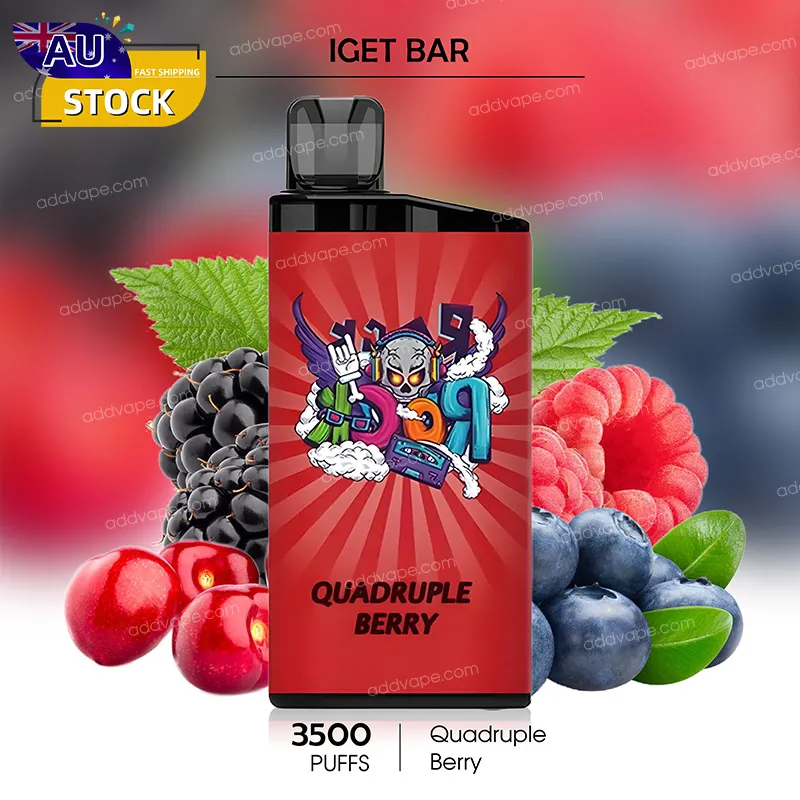
In the ever-expanding world of vaping, IGET has emerged as a prominent name, with its sleek disposable devices and a dizzying array of enticing flavours. The IGET Bar, with its promise of 3500 puffs and a comfortable, lightweight design, has found its way into the hands of many. But as you enjoy the sweet clouds of a Grape Ice or Lush Ice vape, a crucial question may cross your mind: what exactly am I inhaling? What chemicals are in an IGET vape? This question, though simple, opens up a complex world of chemistry and health considerations that every user deserves to understand.
The short answer is that an iget bar, like most e-cigarettes, contains a mixture of chemicals in its e-liquid. This includes a base liquid (typically propylene glycol and vegetable glycerin), nicotine, and a host of flavouring compounds. When heated by the device's coil, this e-liquid turns into an aerosol that is inhaled. The aerosol is not simply water vapour; it's a complex mixture that can also contain other, sometimes unintended, chemicals, including volatile organic compounds (VOCs) and even heavy metals. Understanding these components is the first step toward making an informed decision about vaping.
This article will serve as your comprehensive guide to the chemical composition of IGET vapes. We will delve into each category of ingredients, explore their purpose, and discuss the potential health implications based on current scientific understanding. We aim to provide a balanced and informative overview, empowering you with the knowledge to navigate the world of vaping with a clearer perspective.
Table of Contents
-
The Foundation of Flavour: Deconstructing the E-Liquid Base
-
Propylene Glycol (PG): The Throat Hit Provider
-
Vegetable Glycerin (VG): The Cloud Creator
-
The PG/VG Ratio: A Balancing Act
-
-
The Addictive Element: Nicotine in IGET Vapes
-
Understanding Nicotine Salts
-
Nicotine Strength: The 5% (50mg/ml) Breakdown
-
The Health Effects of Nicotine
-
-
A Symphony of Scents: The Complex World of Flavouring Chemicals
-
What Creates the ‘Grape Ice’ or ‘Mango Ice’ Taste?
-
The Controversy Around Certain Flavourings
-
Are Ingestible Flavourings Safe to Inhale?
-
Exploring the Best IGET Flavours: A Look at Popular Choices
-
-
Beyond the Label: Unseen Chemicals in Your Vape
-
Volatile Organic Compounds (VOCs)
-
The Presence of Heavy Metals
-
Formaldehyde and Acetaldehyde: Unwanted Byproducts
-
-
The IGET Bar Under the Microscope: A Closer Look at its Components
-
Device Specifications and Materials
-
How to Open an IGET Bar: A Word of Caution
-
Dissecting the Disposable Nature: Battery and E-Liquid Insights
-
-
Navigating the Haze: Health Implications and User Experiences
-
Short-Term vs. Long-Term Effects
-
Reading Between the Lines: Interpreting IGET Vapes Reviews
-
Making Informed Choices for Your Well-being
-
-
Frequently Asked Questions (FAQ)
1. The Foundation of Flavour: Deconstructing the E-Liquid Base
The bulk of the e-liquid in your IGET vape is composed of a base liquid, which serves as a carrier for the nicotine and flavourings. This base is almost universally made from two key ingredients: propylene glycol (PG) and vegetable glycerin (VG).
Propylene Glycol (PG): The Throat Hit Provider
Propylene glycol is a synthetic organic compound that is colourless, odourless, and has a faintly sweet taste. It's a common additive in a wide range of consumer products, including food, pharmaceuticals, and cosmetics. In vaping, PG is known for its ability to carry flavour effectively and provide a "throat hit," a sensation similar to that of smoking a traditional cigarette.
-
Functions in Vaping:
-
Flavour Carrier: PG is an excellent solvent, which means it dissolves the flavour concentrates and nicotine, distributing them evenly throughout the e-liquid.
-
Throat Hit: Its thinner consistency contributes to a more pronounced sensation in the throat upon inhalation.
-
Low Vapour Production: On its own, PG produces a less dense vapour.
-
While generally recognized as safe for ingestion by food safety authorities, the long-term effects of inhaling aerosolized PG are still a subject of scientific research. Some individuals may experience minor throat irritation or a dry mouth when vaping PG-heavy e-liquids.
Vegetable Glycerin (VG): The Cloud Creator
Vegetable glycerin is a natural chemical, derived from vegetable oils. It's a thick, viscous liquid with a sweet taste. Like PG, it's widely used in food, pharmaceutical, and cosmetic products. In the world of vaping, VG is the primary ingredient responsible for producing the dense, visible clouds of vapour.
-
Functions in Vaping:
-
Vapour Production: The thickness of VG allows it to create thick, voluminous clouds when heated.
-
Smoother Inhale: VG provides a smoother sensation on the throat compared to PG.
-
Sweetness: It can add a subtle sweetness to the e-liquid's overall flavour profile.
-
VG is also considered safe for consumption. However, due to its thickness, it can sometimes clog the coils of vaping devices more quickly. The long-term respiratory effects of inhaling VG are, similar to PG, not yet fully understood.
The PG/VG Ratio: A Balancing Act
The ratio of PG to VG in an e-liquid significantly influences the vaping experience. While the exact ratio in IGET vapes is not always explicitly stated, disposable vapes often use a balanced blend to provide a satisfying throat hit and substantial vapour production. A common ratio is 50/50, but this can vary. Understanding this ratio helps users anticipate the kind of experience a vape will deliver.
2. The Addictive Element: Nicotine in IGET Vapes
Nicotine is a stimulant alkaloid found in the nightshade family of plants, most famously in tobacco. It is the primary reason why both traditional cigarettes and many vaping products are addictive. The IGET Bar, with a stated nicotine level of 5% (50mg/ml), contains a significant amount of nicotine.
Understanding Nicotine Salts
Many disposable vapes, including IGET products, utilize nicotine salts rather than the "freebase" nicotine found in earlier generations of e-liquids. Nicotine salts are formed by adding an acid (like benzoic acid) to freebase nicotine. This process lowers the pH of the nicotine, resulting in a smoother inhale, even at high concentrations. This allows users to vape higher levels of nicotine without the harsh throat hit that would be associated with high-concentration freebase nicotine.
Nicotine Strength: The 5% (50mg/ml) Breakdown
A nicotine strength of 5% or 50mg/ml is considered very high. To put this into perspective, this is roughly equivalent to the nicotine content of a pack of traditional cigarettes. The high concentration, combined with the efficient delivery system of nicotine salts, means that users can become dependent on nicotine relatively quickly.
The Health Effects of Nicotine
Nicotine is a highly addictive substance. Its effects on the body are well-documented and include:
-
Increased Heart Rate and Blood Pressure: Nicotine stimulates the adrenal glands to release adrenaline, leading to a temporary increase in heart rate and blood pressure.
-
Brain Development: In adolescents and young adults, nicotine can harm the parts of the brain that control attention, learning, mood, and impulse control.
-
Addiction: The primary risk of nicotine is its powerful addictive potential, which can lead to long-term use and dependence.
It's crucial for consumers to be aware of the high nicotine content in IGET vapes and the associated risks of addiction.
3. A Symphony of Scents: The Complex World of Flavouring Chemicals
The vast array of flavours offered by IGET is one of its main draws. From the fruity burst of "Passion Fruit Mango Lime" to the cool sensation of "Ice Cream," these flavours are created using a complex blend of chemical compounds.
What Creates the ‘Grape Ice’ or ‘Mango Ice’ Taste?
The flavours in e-liquids are not derived from actual fruit extracts. Instead, they are created by food-grade flavouring concentrates. These concentrates are composed of various chemical compounds, both natural and artificial, that mimic specific tastes and smells. For example, a grape flavour might contain compounds like methyl anthranilate, while a mango flavour could use a blend of esters and aldehydes. The "ice" sensation is typically achieved with the addition of a cooling agent like menthol or a synthetic coolant.
The Controversy Around Certain Flavourings
While many flavouring chemicals used in e-liquids are considered safe for ingestion (meaning they are safe to eat), their effects when inhaled are not as well understood. Some flavouring chemicals have been linked to respiratory issues. One of the most well-known examples is diacetyl, a chemical that gives a buttery flavour. Inhalation of diacetyl has been associated with a rare lung disease called bronchiolitis obliterans, colloquially known as "popcorn lung." While many reputable e-liquid manufacturers, including those who supply to brands like IGET, state that they do not use diacetyl, the sheer number and combination of flavouring chemicals used in the industry make it a complex area of research.
Are Ingestible Flavourings Safe to Inhale?
The simple answer is that we don't have enough long-term data to say for certain. The digestive system and the respiratory system are very different. The lungs are not designed to handle the constant inhalation of the complex chemical mixtures found in e-liquid flavourings. More research is needed to fully understand the long-term impact of inhaling these compounds.
Exploring the Best IGET Flavours: A Look at Popular Choices
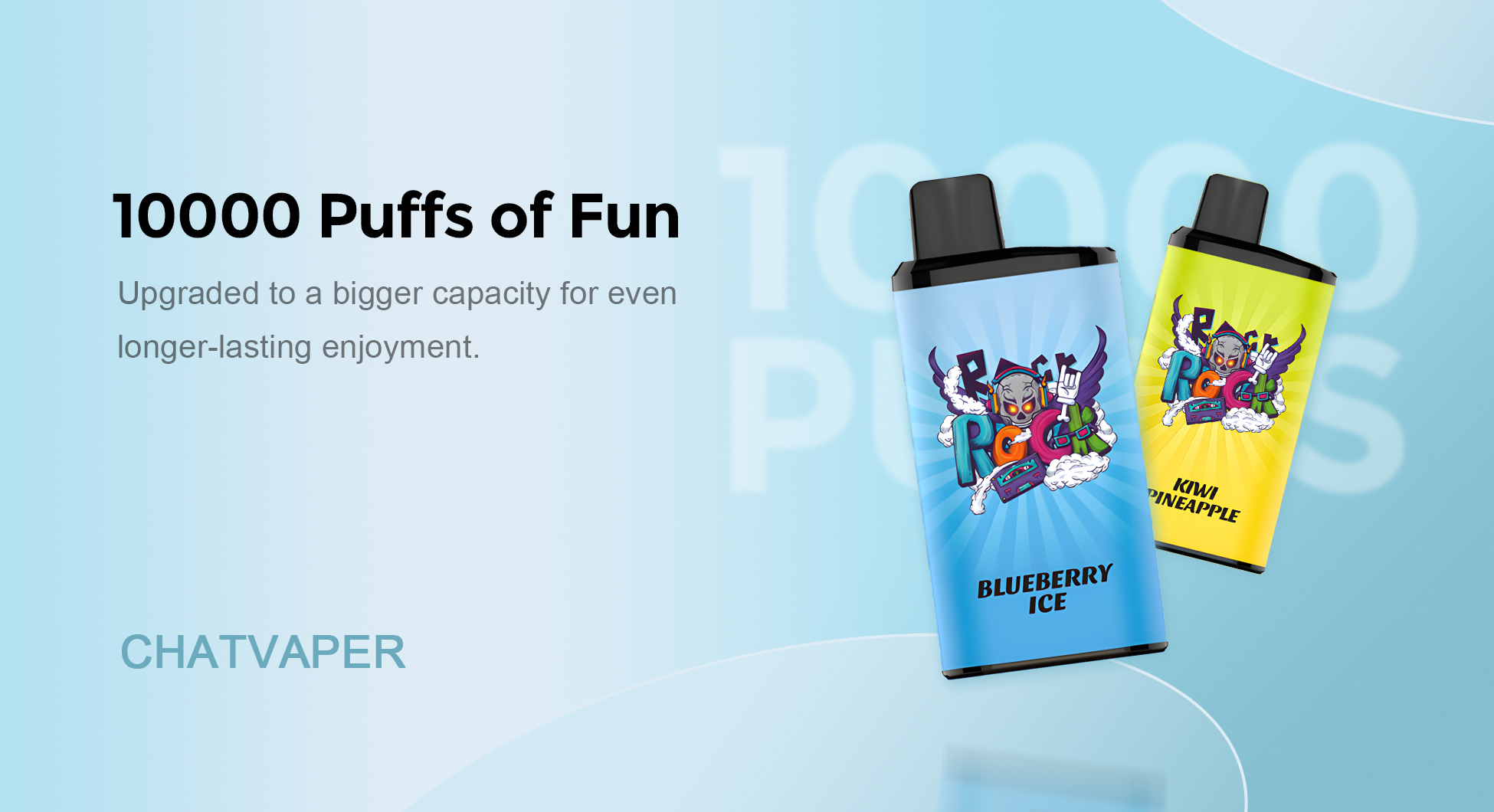
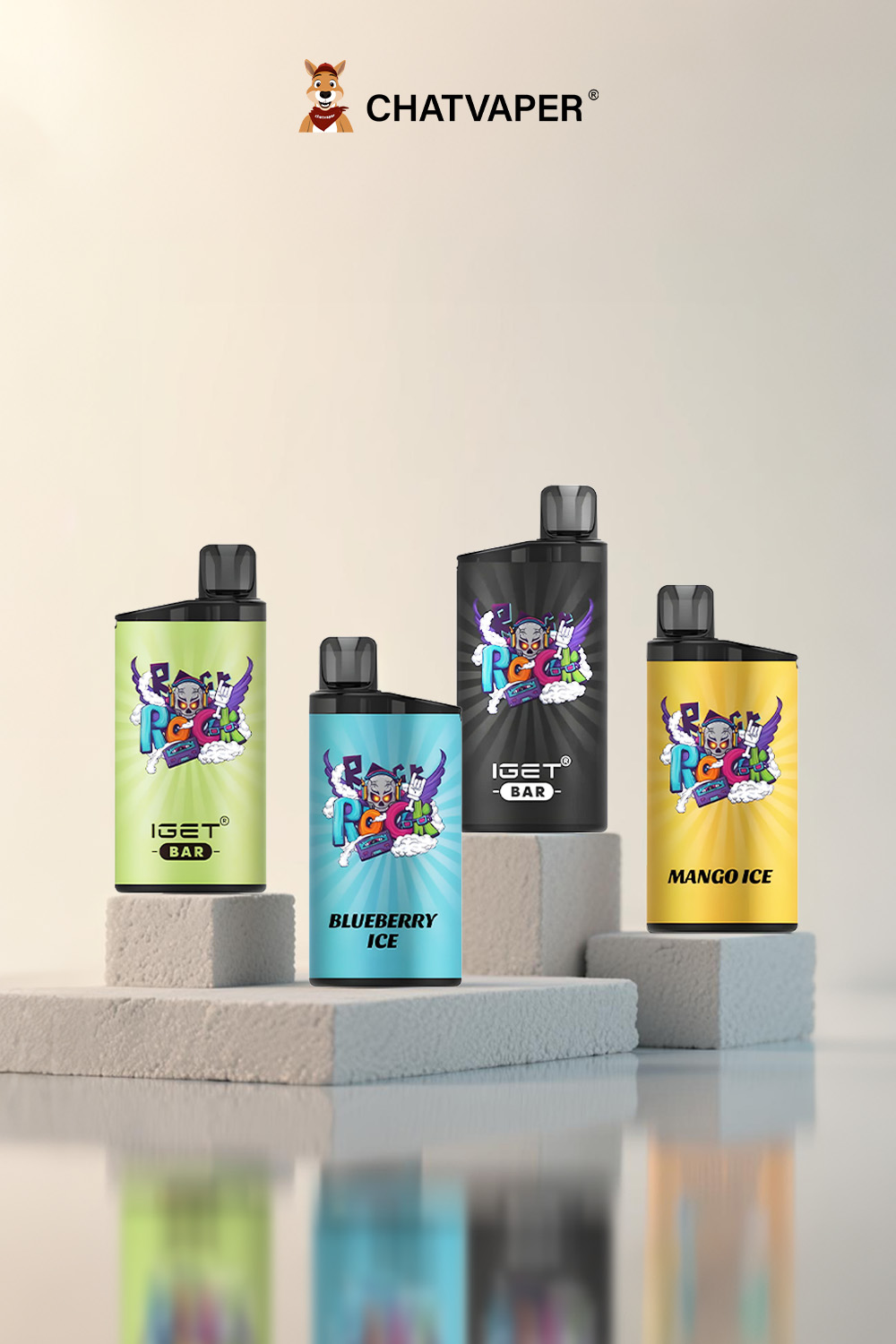
When users search for the best iget flavours, they are looking for a satisfying and enjoyable taste experience. Popular flavours like "Lush Ice," "Blueberry Ice," and "Mango Ice" often combine a sweet fruit base with a cooling sensation. The appeal of these flavours is undeniable, but it's important to remember that these pleasant tastes are the result of a carefully crafted chemical cocktail.
4. Beyond the Label: Unseen Chemicals in Your Vape
The chemicals intentionally added to the e-liquid are not the only ones present in the aerosol you inhale. The heating process itself can create new chemical compounds, and trace elements from the device can also find their way into the vapour.
Volatile Organic Compounds (VOCs)
VOCs are organic chemicals that have a high vapour pressure at room temperature. Some VOCs are known to be harmful to human health. When the e-liquid in a vape is heated, some of the base liquids (PG and VG) and flavourings can break down and form VOCs. Studies have detected VOCs such as benzene (a known carcinogen) and toluene in the aerosol of some e-cigarettes. The levels of these compounds are generally lower than in traditional cigarette smoke, but their presence is a cause for concern, especially for non-smokers.
The Presence of Heavy Metals
The heating coil in a vaping device is typically made of metal alloys. Over time, and with repeated heating, microscopic particles of these metals can leach into the e-liquid and become part of the inhaled aerosol. Studies have found traces of heavy metals like lead, nickel, chromium, and manganese in the vapour of some e-cigarettes. These metals can be toxic to the human body and have been linked to various health problems, including lung, liver, and brain damage. The materials used in the IGET Bar's coil (a 1.2Ω mesh coil) and its 304 stainless steel body are chosen for their performance and safety, but the potential for trace metal exposure is an area of ongoing research in the vaping industry.
Formaldehyde and Acetaldehyde: Unwanted Byproducts
When propylene glycol and vegetable glycerin are heated to high temperatures, they can decompose and form carbonyl compounds, including formaldehyde and acetaldehyde. Both of these are classified as probable carcinogens. The amount of these compounds produced can depend on the power of the device and the vaping habits of the user. "Dry puffs," which occur when the wick is not fully saturated with e-liquid, can lead to higher temperatures and increased formation of these harmful byproducts.
5. The IGET Bar Under the Microscope: A Closer Look at its Components
To fully understand the chemicals you might be inhaling, it's also helpful to understand the device itself.
Device Specifications and Materials
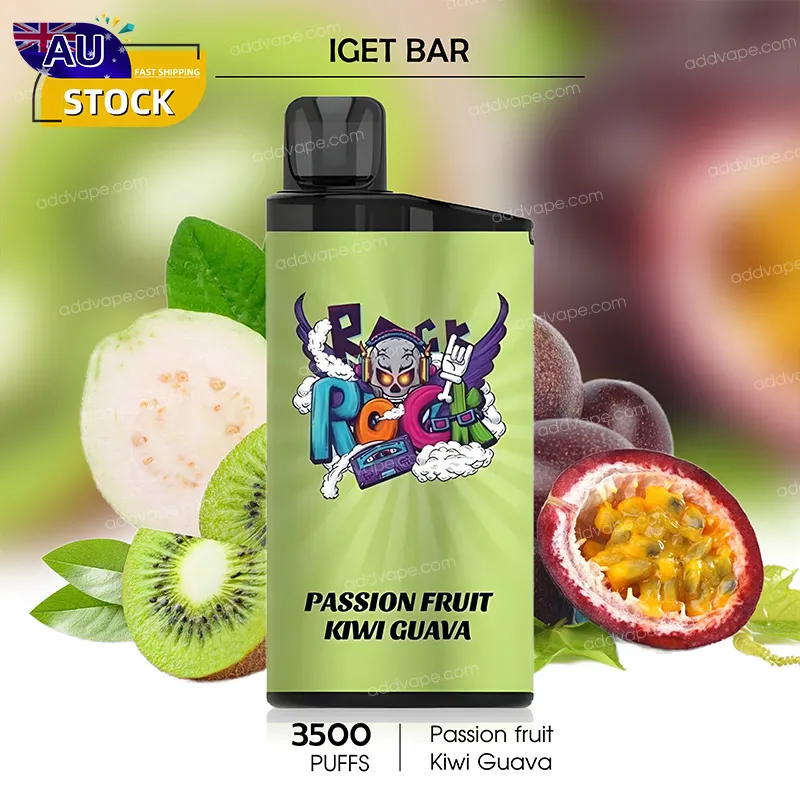
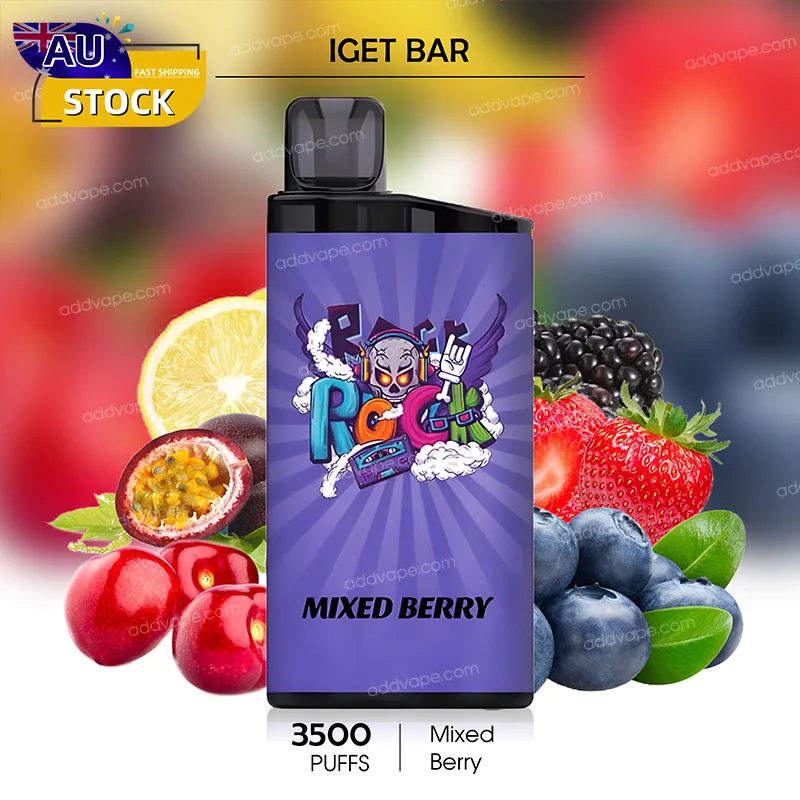
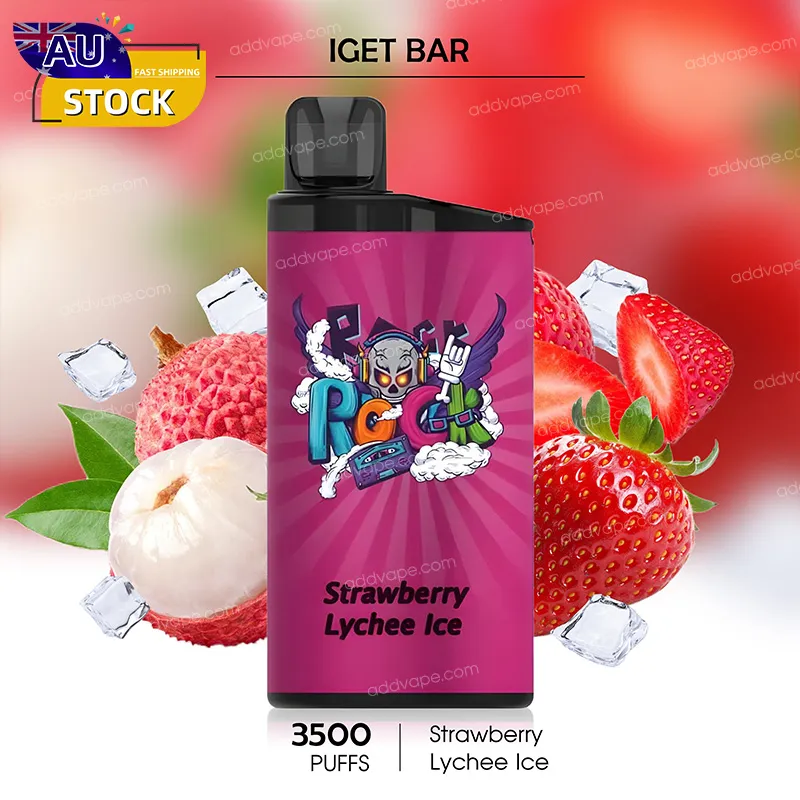
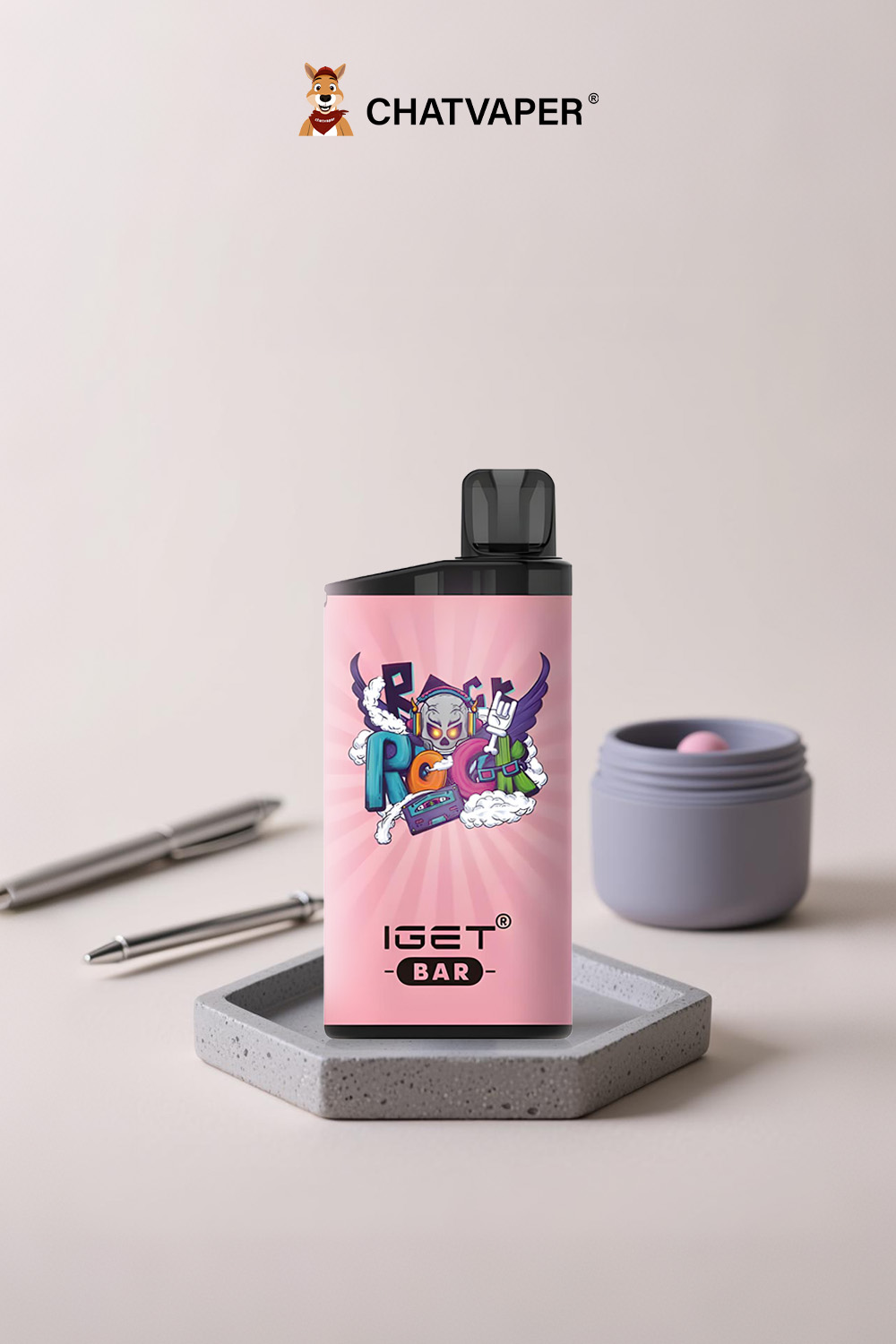
The IGET Bar is a disposable vape made of light 304 stainless steel, with a PC and ALU (polycarbonate and aluminium) material composition. It boasts a 1500mAh battery and a 12ml e-liquid capacity, delivering approximately 3500 puffs. The non-rechargeable nature of the device is a key feature, designed for convenience.
How to Open an IGET Bar: A Word of Caution
Searches for "how to open iget bar" are common, often from users curious about the inner workings of the device or wanting to attempt to refill it. However, it is strongly advised not to open a disposable vape like the IGET Bar. These devices are not designed to be tampered with. The internal components, including the lithium-ion battery, can be hazardous if mishandled, posing a risk of leaks, short circuits, or even explosions.
Dissecting the Disposable Nature: Battery and E-Liquid Insights
The disposable nature of the IGET Bar means that once the e-liquid is depleted or the battery dies, the entire unit is meant to be discarded. This raises environmental concerns about electronic waste. Inside the device, the e-liquid is stored in a reservoir, and the battery powers the coil to heat it. The enclosed system is designed to be self-contained for the duration of its use.
6. Navigating the Haze: Health Implications and User Experiences
The long-term health effects of vaping are still being studied, but a growing body of evidence points to potential risks.
Short-Term vs. Long-Term Effects
Short-term effects of vaping can include throat and mouth irritation, coughing, and shortness of breath. Some users also report headaches and nausea, particularly when first starting to vape or when using high-nicotine products.
Long-term effects are the subject of ongoing research. Concerns include potential damage to the lungs, heart, and developing brains. The inhalation of the various chemicals discussed in this article, from flavourings to heavy metals, raises questions about the cumulative impact on the body over years of use.
Reading Between the Lines: Interpreting IGET Vapes Reviews
When looking at iget vapes reviews, you'll find a wide range of opinions. Many users praise the convenience, flavour variety, and satisfying nicotine delivery. However, some reviews may also mention negative experiences, such as devices that stop working prematurely or flavours that are overly sweet. It's important to read reviews critically and remember that individual experiences can vary greatly. Reviews can provide insights into product quality and user satisfaction, but they are not a substitute for scientific evidence regarding the health effects of vaping.
Making Informed Choices for Your Well-being
Ultimately, the decision to vape is a personal one. The goal of this article is not to advocate for or against vaping, but to provide a clear and comprehensive overview of the chemicals involved. By understanding what is in your IGET vape, you can make a more informed decision that aligns with your personal health considerations.
7. Frequently Asked Questions (FAQ)
Q1: Are IGET vapes safer than smoking cigarettes?
A: While vaping is generally considered to be less harmful than smoking traditional cigarettes because it does not involve the combustion of tobacco, which produces thousands of toxic chemicals, it is not without risks. IGET vapes still contain nicotine, which is addictive, and a range of other chemicals whose long-term effects on the lungs are not yet fully known.
Q2: Can I get addicted to IGET vapes?
A: Yes. IGET vapes, especially those with a 5% nicotine strength, contain a high level of nicotine, which is a highly addictive substance. The risk of developing a nicotine dependence is significant.
Q3: Do IGET vapes contain diacetyl or "popcorn lung" chemicals?
A: Most reputable vape manufacturers, including those that produce e-liquids for brands like IGET, state that they do not use diacetyl in their products. However, the flavouring industry is complex, and the long-term effects of inhaling many other flavouring chemicals are still being studied.
Q4: What should I do if my IGET vape tastes burnt?
A: A burnt taste usually indicates that the wick in the coil has dried out and is being heated directly. This can happen when the e-liquid runs out. Continuing to vape with a burnt taste can increase the production of harmful chemicals like formaldehyde. It is recommended to stop using the device if it develops a burnt taste.
Q5: How should I dispose of my used IGET Bar?
A: Disposable vapes like the IGET Bar contain a lithium-ion battery and should be treated as electronic waste. They should not be thrown in the regular trash. Look for local e-waste recycling programs to dispose of them responsibly.
In conclusion, the colourful and flavourful world of IGET vapes is built on a foundation of specific chemicals, each with its own role and potential implications. From the e-liquid base of propylene glycol and vegetable glycerin that creates the vapour, to the highly addictive nicotine that provides the "hit," and the complex blend of flavouring compounds that tantalize the taste buds, every puff is an inhalation of a chemical cocktail. While the allure of convenience and a wide array of the best iget flavours is strong, a deeper understanding of what's inside your vape is essential for making conscious and healthy choices.