About the Author – Claire
You’ve just taken a puff from your new vape, expecting that familiar, smooth flavour. But instead, you’re met with a harsh, chemical taste that makes you cough. Maybe the nicotine hit feels jarringly strong, leaving you dizzy and nauseous, or perhaps the flavour is disappointingly weak and tastes nothing like it should. In a world saturated with vaping products, these unsettling experiences are becoming increasingly common, prompting a critical question: Could you be using a counterfeit device? What are the symptoms of a fake vape?
The answer is multifaceted, involving a range of alarming physical symptoms, device malfunctions, and tell-tale signs on the product itself. The primary symptoms of using a fake vape can range from immediate effects like headaches, nausea, dizziness, and a sore or burning throat to more severe respiratory issues and even nicotine poisoning. These symptoms arise because counterfeit vapes are produced in unregulated environments without any quality control, often containing incorrect nicotine levels, harmful chemical contaminants, and poorly constructed hardware that can malfunction dangerously.
Navigating this deceptive market is crucial for your health and safety. This comprehensive guide will illuminate the dark world of counterfeit vapes. We will detail the physical warning signs your body might give you, teach you how to become an expert at spotting a fake before you even buy it, and explain the hidden dangers lurking within these illicit products. Our goal is to arm you with the knowledge to make safe choices and ensure your vaping experience is exactly what it should be: genuine and predictable.
Table of Contents
-
Your Body's Warning Signs: Physical Symptoms of a Counterfeit Vape
-
Immediate and Unpleasant Reactions
-
The Dangers of Nicotine Overdose
-
Long-Term Health Risks from Unknown Chemicals
-
-
Spotting a Fraud Before You Puff: A Masterclass in Authentication
-
The Packaging Tell-Tales: Scrutinizing the Box
-
Device Discrepancies: A Guide to Build Quality
-
The Power of the QR Code: Your First Line of Defense
-
Price and Place: If It Seems Too Good to Be True, It Is
-
-
Performance Problems: When the Vape Itself Signals a Fake
-
The Taste Test: Inconsistent and Foul Flavours
-
Vapour and Battery Woes: Underperformance Issues
-
Leaking, Overheating, and Other Hardware Failures
-
-
Behind the Counterfeit Cloud: What's Actually Inside a Fake Vape?
-
The Chemical Cocktail: Unregulated and Harmful Ingredients
-
Heavy Metals and Other Contaminants
-
Nicotine Roulette: The Unpredictable Dosage
-
-
The Aftermath of a Fake: What to Do If You've Used One
-
Prioritizing Your Health: When to Seek Medical Attention
-
Reporting Counterfeits: Protecting the Community
-
-
Frequently Asked Questions (FAQ)
1. Your Body's Warning Signs: Physical Symptoms of a Counterfeit Vape
The most immediate and personal feedback you can get about a vape's authenticity comes from your own body. Because counterfeit products are not subject to any safety standards, the e-liquid and hardware can be dangerously unpredictable. Listening to your body's reactions is critical.
Immediate and Unpleasant Reactions
When you inhale from a fake vape, the first sign is often how it feels and tastes. The experience is jarringly different from an authentic product.
-
Harsh, Burnt, or Chemical Taste: Instead of the smooth, distinct flavour you expect, you might get a harsh, acrid, or overtly chemical taste. This is a major red flag that the e-liquid contains impure ingredients or unapproved flavouring agents.
-
Sore, Scratchy, or Burning Throat: A legitimate vape should deliver a smooth inhale. If you experience a significant burning or scratching sensation in your throat and lungs, it's a strong indicator of low-quality base liquids (PG/VG) or other irritants in the vapour.
-
Immediate Headaches: A sudden, throbbing headache after a few puffs can be a sign of inhaling unknown solvents or contaminants present in the fake e-liquid.
-
Coughing and Wheezing: While some coughing can occur for new vapers, a persistent, uncontrollable cough or sudden wheezing points to a harsh, poorly formulated product that is irritating your respiratory system.
The Dangers of Nicotine Overdose
One of the greatest dangers of fake vapes is the wildly inaccurate nicotine labelling. A product might be advertised as containing 5% nicotine, but in reality, it could be much higher. This puts users at significant risk of nicotine poisoning.
Symptoms of nicotine poisoning or overdose include:
-
Nausea and Vomiting
-
Dizziness, Lightheadedness, or Fainting
-
Rapid Heartbeat (Tachycardia) or Irregular Heartbeat
-
Stomach Cramps and Abdominal Pain
-
Profuse Sweating
-
Severe Headaches and Confusion
If you experience several of these symptoms, especially after using a new vape, it's crucial to stop using the device immediately and seek medical attention if the symptoms are severe or persist.
Long-Term Health Risks from Unknown Chemicals
The long-term symptoms of using a fake vape are perhaps the most insidious because they are not immediately apparent. Illicit manufacturers are not concerned with your health; they are concerned with profit. This means they may use cheap, industrial-grade chemicals instead of pharmaceutical-grade ingredients.
Prolonged use of a counterfeit vape could expose you to a toxic cocktail of pesticides, heavy metals (from poor-quality coils), undeclared drugs, or banned flavouring chemicals like diacetyl. The potential long-term consequences include chronic respiratory conditions, cardiovascular damage, and other unknown systemic health issues.
2. Spotting a Fraud Before You Puff: A Masterclass in Authentication
Your best defense against a fake vape is to identify it before you spend your money and certainly before you use it. Counterfeiters have become sophisticated, but their copies are rarely perfect. You need to become a detective and scrutinize the product from every angle.
The Packaging Tell-Tales: Scrutinizing the Box
The packaging is often the first place where a fake reveals itself. Reputable brands invest heavily in their branding and quality control, and this extends to the box.
-
Printing Quality: Look for blurry images, faded colours, or pixelated logos. Authentic packaging will have sharp, high-resolution printing.
-
Typos and Grammatical Errors: Read every word on the box. Counterfeiters, often operating in non-English speaking countries, frequently make spelling mistakes or use awkward phrasing.
-
Missing Information: Genuine products will have batch numbers, manufacturing dates, expiry dates, and clear health warnings as required by law. Fakes often omit this information or display it in a non-standard format.
-
Inconsistent Branding: Compare the logo, font, and colour scheme on the box to the official brand website. Even slight variations are a major red flag.
Device Discrepancies: A Guide to Build Quality
Once you've inspected the box, examine the device itself. The difference in quality between a genuine and a fake product is often tangible.
-
Feel and Weight: A counterfeit vape will often feel lighter and flimsier than an authentic one, typically due to the use of cheaper plastics and lower-capacity batteries.
-
Poor Finish: Look for peeling paint, misaligned seams, or rough edges. The mouthpiece might feel loose or poorly fitted.
-
Incorrect LED Light: The LED indicator light might be a different colour, blink in a strange pattern, or be overly bright or dim compared to the genuine article.
-
Logo and Text: The branding printed on the device itself may be smeared, easily scratched off, or use a slightly incorrect font.
The Power of the QR Code: Your First Line of Defense
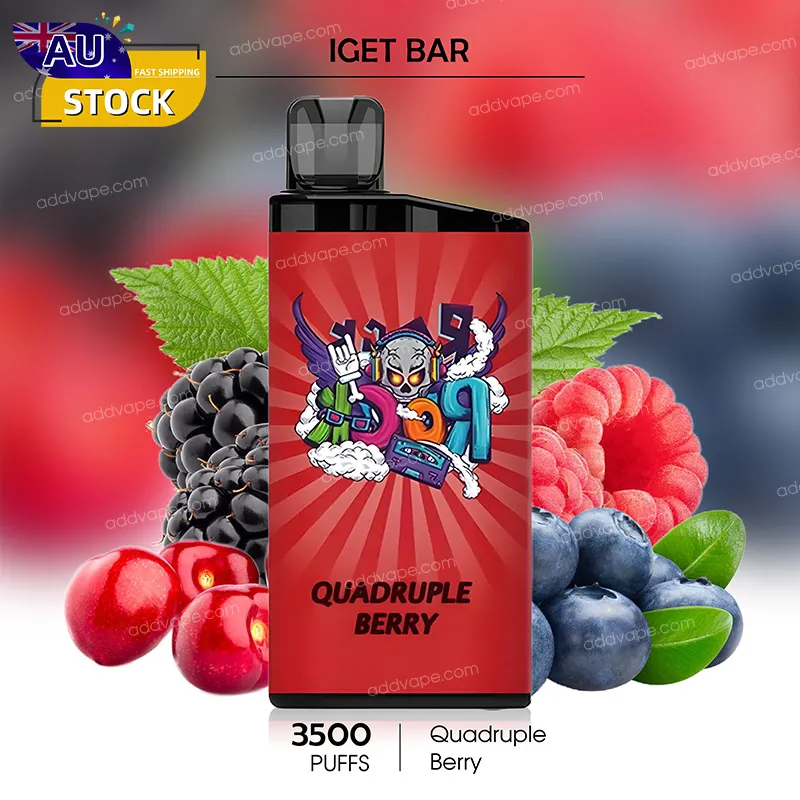
The most reliable method for identifying a fake vape is to use the manufacturer's authentication or verification system. Most major brands, including popular ones like IGET, have implemented security features to combat counterfeiting.
-
Locate the Security Sticker: Find the scratch-off security sticker on the packaging.
-
Scan the QR Code: Use your smartphone to scan the QR code. This should take you directly to the manufacturer's official verification page. Be wary if it asks you to download an app or go to a different URL.
-
Check the URL: Manually inspect the website address it directs you to. Counterfeiters create clone websites with very similar URLs (e.g., "https://www.google.com/search?q=IGETOfficial.com" instead of "https://www.google.com/search?q=IGET.com"). Ensure you are on the legitimate site.
-
Check Scan Counts: When you enter the security code, the official site will tell you if the code is valid. Crucially, it will also tell you how many times that code has been scanned. If it has been scanned hundreds of times, you have a fake – counterfeiters reuse the same valid code on thousands of products. Your scan should be the first.
Price and Place: If It Seems Too Good to Be True, It Is
The allure of a counterfeit is often its price. If a vendor is selling a popular vape for a price that is significantly lower than all authorized retailers, you should be highly suspicious. Brands enforce pricing policies to protect their market value.
Furthermore, only purchase from reputable, authorized retailers. Buying from unlicensed street vendors, social media sellers, or questionable online marketplaces dramatically increases your risk of purchasing a counterfeit product.
3. Performance Problems: When the Vape Itself Signals a Fake
If a counterfeit vape has managed to pass your initial visual inspection, its performance will almost certainly betray its fraudulent nature. The vaping experience will be noticeably subpar and inconsistent.
The Taste Test: Inconsistent and Foul Flavours
Flavour is paramount in vaping. Authentic brands pride themselves on consistency.
-
Weak or "Off" Flavour: A fake vape will often have a muted, weak flavour that doesn't match the description on the box. It may taste watered down or just plain wrong.
-
Harsh Aftertaste: As mentioned in the physical symptoms, a lingering chemical or metallic aftertaste is a clear sign of low-quality ingredients.
-
Inconsistent Hits: One puff might be flavourful, while the next is bland. This inconsistency points to poor e-liquid formulation and a faulty wicking system.
Vapour and Battery Woes: Underperformance Issues
The hardware in a fake vape is built with the cheapest possible components, leading to a frustrating and short-lived experience.
-
Poor Vapour Production: You can expect thin, wispy clouds instead of the dense vapour produced by a genuine device.
-
Short Battery Life: A common complaint with fake disposable vapes is that they die long before reaching their advertised puff count. A 3500-puff device might last only a day or two due to a low-quality, low-capacity battery.
-
Gurgling or Spitting: If the device makes gurgling sounds or spits hot e-liquid into your mouth, it's a sign of a poorly designed coil and airflow system.
Leaking, Overheating, and Other Hardware Failures
Beyond poor performance, fake vapes can be genuinely dangerous. The lack of quality control means there are no safety checks on the battery or electrical components.
-
E-Liquid Leaks: The device might leak in your pocket or hand, a sign of poor seals and construction.
-
Overheating: The device may become uncomfortably hot to the touch during use. This is a serious safety concern as it indicates a struggling battery that could potentially vent or short-circuit.
-
Auto-Firing: The device may activate and fire on its own without you inhaling, which can burn out the coil and poses a significant fire risk.
4. Behind the Counterfeit Cloud: What's Actually Inside a Fake Vape?
The reason fake vapes cause such unpleasant symptoms and perform so poorly is due to the terrifying, unregulated contents hidden within their convincing exteriors.
The Chemical Cocktail: Unregulated and Harmful Ingredients
Genuine e-liquid manufacturers use pharmaceutical-grade propylene glycol (PG) nd vegetable glycerin (VG). Counterfeiters use cheaper, industrial-grade versions which can contain impurities like diethylene glycol (a component of antifreeze). The flavour concentrates used are often a mystery, potentially including chemicals known to be toxic when inhaled.
Heavy Metals and Other Contaminants
The heating coil in a fake vape is typically made from cheap, mystery metal alloys. When heated, these coils can release microscopic particles of heavy metals like lead, cadmium, and chromium directly into the aerosol you inhale. Furthermore, the assembly process occurs in unsanitary conditions, meaning the e-liquid can be contaminated with dust, bacteria, and even pesticides.
Nicotine Roulette: The Unpredictable Dosage
As highlighted earlier, the nicotine content displayed on a fake vape's packaging is effectively meaningless. There is no quality control to ensure accurate mixing. This means one batch might have dangerously high levels of nicotine, while another might have almost none, cheating the customer and rendering the product ineffective for those trying to manage nicotine cravings. This unpredictability is what makes the physical symptoms of using a fake so erratic and dangerous.
5. The Aftermath of a Fake: What to Do If You've Used One
If you suspect you have purchased and used a counterfeit vape, it's important to take immediate steps to protect your health and the wider community.
Prioritizing Your Health: When to Seek Medical Attention
-
Stop Using the Device Immediately: Do not take another puff.
-
Monitor Your Symptoms: Pay close attention to how you are feeling.
-
Seek Medical Advice: If you are experiencing symptoms like severe nausea, a rapid heartbeat, difficulty breathing, or dizziness, do not hesitate to contact a doctor or a poison control center. Inform them that you suspect you have inhaled chemicals from an unregulated electronic cigarette.
-
Safely Dispose of the Device: Place the vape in a sealed bag and dispose of it with electronic waste, as the battery is a fire hazard in regular trash.
Reporting Counterfeits: Protecting the Community
If you can, report the seller to your local trading standards or consumer protection agency. While it may not always lead to immediate action, reporting helps authorities build a case against illicit sellers and can help prevent others from falling victim to the same scam. If you bought it from a physical shop, leaving online reviews can also warn other potential customers.
Frequently Asked Questions (FAQ)
Q1: Why does my vape taste burnt? Is it a fake? A: A burnt taste can happen for two reasons. It could be a "dry hit" on a genuine device where the e-liquid has run out and you're burning the cotton wick. However, if a brand-new vape tastes burnt from the very first puff, it is a very strong indicator of a counterfeit with a faulty coil or poorly formulated e-liquid.
Q2: Can a QR code be faked? A: Yes. Counterfeiters can copy a legitimate QR code and URL onto their fake products. This is why it is essential to not only scan the code but to also check the scan count on the manufacturer's website. A legitimate, new product's code should have zero or only one scan (yours).
Q3: Are fake vapes illegal? A: Absolutely. Counterfeit products infringe on trademarks and intellectual property laws. More importantly, they violate consumer safety and health regulations because they are untested, unregulated, and potentially contain banned and harmful substances.
Q4: My disposable vape ran out much faster than advertised. Is it a fake? A: This is one of the most common signs of a counterfeit. To cut costs, fake vapes are often filled with less e-liquid than stated and use inferior batteries that cannot sustain the advertised puff count. While puff counts are always an estimate, a device that drastically underperforms is highly likely to be a fake.
Q5: What's the single best way to avoid fake vapes? A: The golden rule is to always buy from an official, authorized retailer. Whether online or in a physical store, purchasing from a trusted source that has a direct relationship with the manufacturer is the most effective way to guarantee you are getting a genuine, safe, and reliable product.